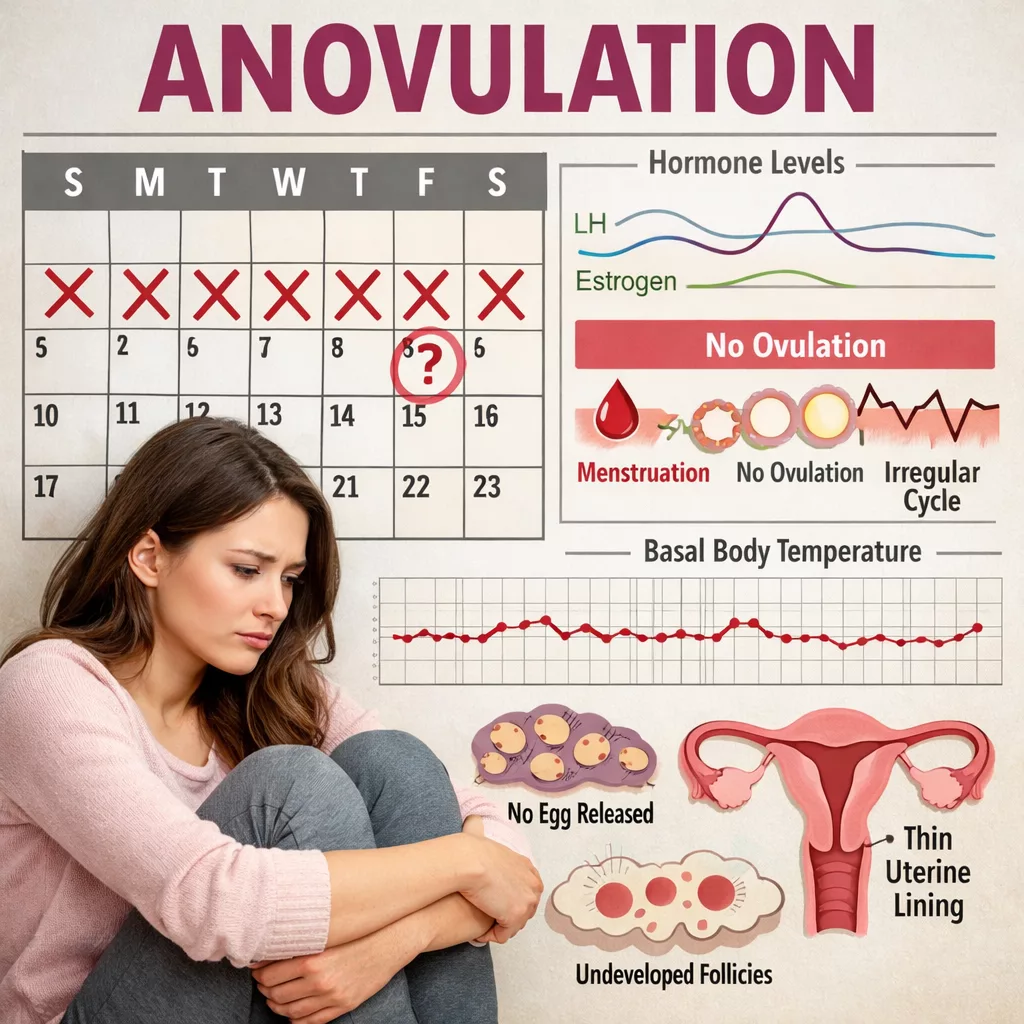
Anovulation refers to a menstrual cycle in which the ovary does not release an egg. Ovulation is a key event in the reproductive cycle because it allows fertilization to occur. When ovulation does not take place the menstrual cycle may still appear normal in some women, while in others the cycle becomes irregular or absent. For many women who are trying to conceive, anovulation is one of the common reasons behind difficulty in pregnancy.
In a healthy cycle the brain, pituitary gland, and ovaries communicate through hormones. Follicle stimulating hormone helps mature the egg inside the ovary, while luteinizing hormone triggers the release of that egg. When this delicate hormonal rhythm is disturbed ovulation may not occur.
Common Causes of Anovulation
Anovulation often develops because of underlying hormonal or lifestyle factors. Understanding these causes helps create a more holistic healing approach.
Polycystic ovary syndrome
PCOS is the most common cause of chronic anovulation. In this condition the ovaries produce excess androgens which interfere with follicle development and prevent the egg from being released. Scientific studies estimate that PCOS accounts for up to 70 percent of anovulation cases. [1]
Hormonal imbalance involving LH and FSH
When the balance between luteinizing hormone and follicle stimulating hormone is disrupted the ovary may not receive the right signal to release the egg.
Chronic stress and elevated cortisol
Long term stress affects the hypothalamus and pituitary glands which regulate reproductive hormones. High stress levels may therefore interfere with ovulation.
Thyroid dysfunction
Thyroid hormones regulate metabolism and reproductive hormones. When thyroid function becomes abnormal, it can disturb the hormonal balance required for ovulation and menstrual regularity [2]
Body weight related factors
Being significantly underweight or overweight can affect estrogen levels and prevent the ovary from releasing an egg.
Yoga Course for Annovulation and PCOS
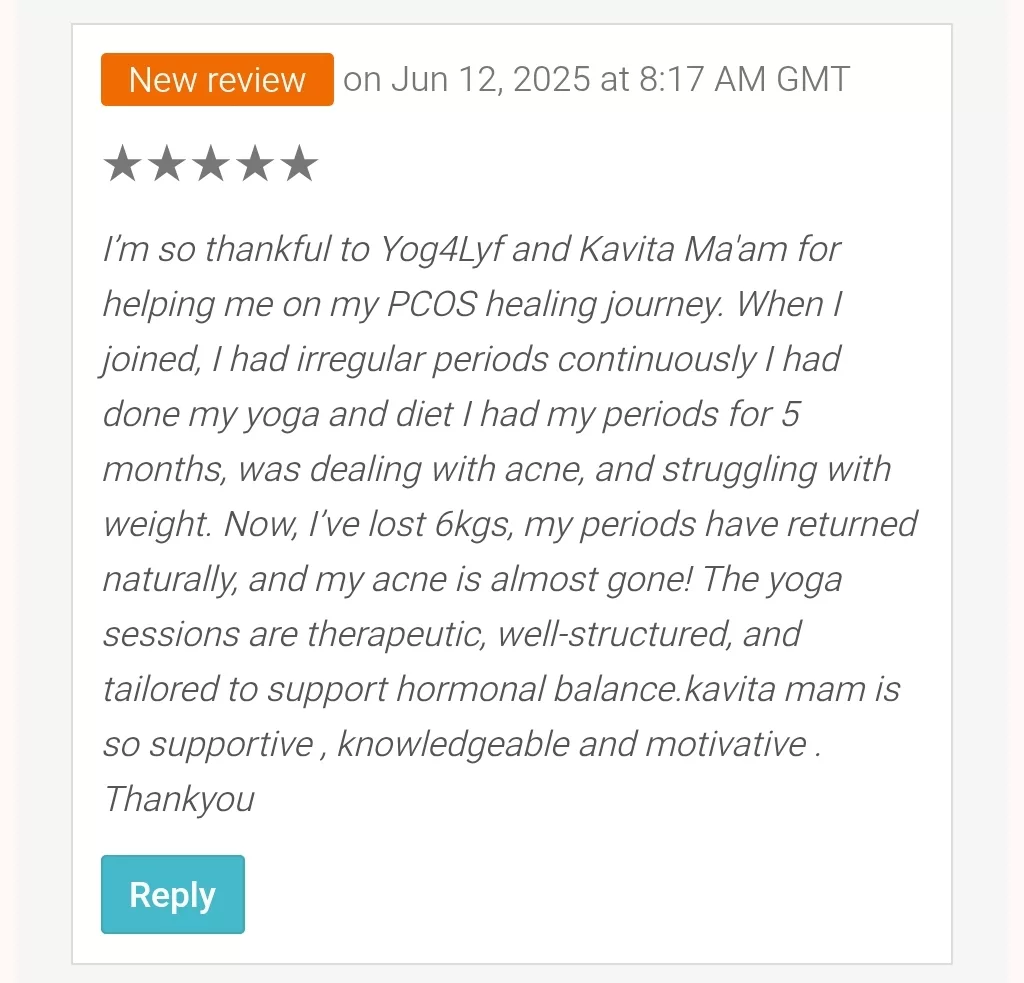
At Yog4Lyf, each yoga courses is created with experience, and deep understanding. Led by fertility yoga expert Kavita Arora, the program includes purposeful asanas that have supported thousands facing Annovulation and PCOS struggles. With 50,000+ satisfied users, this PCOS Course consistent practice has led to numerous positive outcomes.
Signs and Symptoms of Anovulation
Many women discover anovulation only when they begin trying to conceive. However the body often gives subtle signals.
Common signs may include
- Irregular menstrual cycles
- Missed periods or very long cycles
- Difficulty conceiving
- Lack of noticeable mid cycle cervical mucus
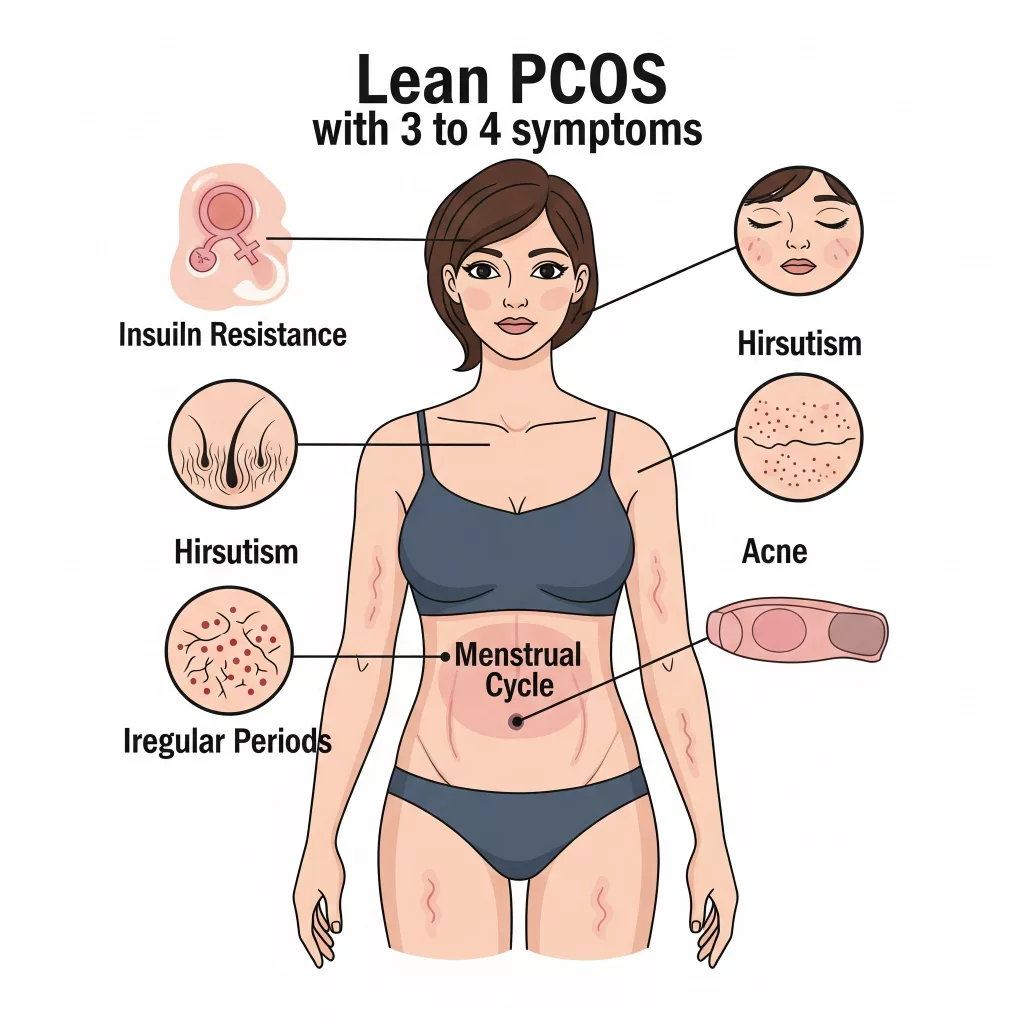
- Hormonal symptoms such as acne or excess facial hair
These symptoms do not always confirm anovulation but they may indicate that the ovulatory process needs medical evaluation.
The Connection Between Lifestyle and Ovulation
The reproductive system does not work in isolation. It is closely connected with metabolism, emotional wellbeing, and hormonal balance. Lifestyle patterns such as sleep quality, stress levels, nutrition, and physical activity all influence hormonal rhythm.
Mind body practices like yoga are often recommended as supportive practices because they calm the nervous system and promote circulation throughout the body. When practiced consistently yoga may create conditions that support hormonal harmony and reproductive health.
How Yoga Supports Women Experiencing Anovulation
Yoga works through several interconnected mechanisms that support overall reproductive wellness.
Encouraging relaxation response
Gentle yoga activates the parasympathetic nervous system which helps reduce stress related hormonal disruptions.
Improving pelvic circulation
Many yoga postures encourage blood flow toward the abdominal and pelvic regions which nourish the reproductive organs.
Supporting endocrine balance
Breathing practices and mindful movement influence the glands that regulate hormones including the hypothalamus and pituitary.
Enhancing body awareness
Regular yoga practice encourages women to reconnect with their bodies and menstrual rhythms.
Yoga should not be seen as a replacement for medical treatment. Instead it can act as a supportive lifestyle practice that complements medical guidance.
Yoga Asanas to Support Ovulation
At Yog4Lyf, asanas are carefully structured after years of testing and refinement by certified trainers, with a clear focus on concerns like PCOS and Annovulation. The programs follows a systematic approach that combines yoga asanas and diet support long-term wellness rather than temporary fixes.
Below are a group of Yoga asanas that works in a combined way to support healing Annovulation :-
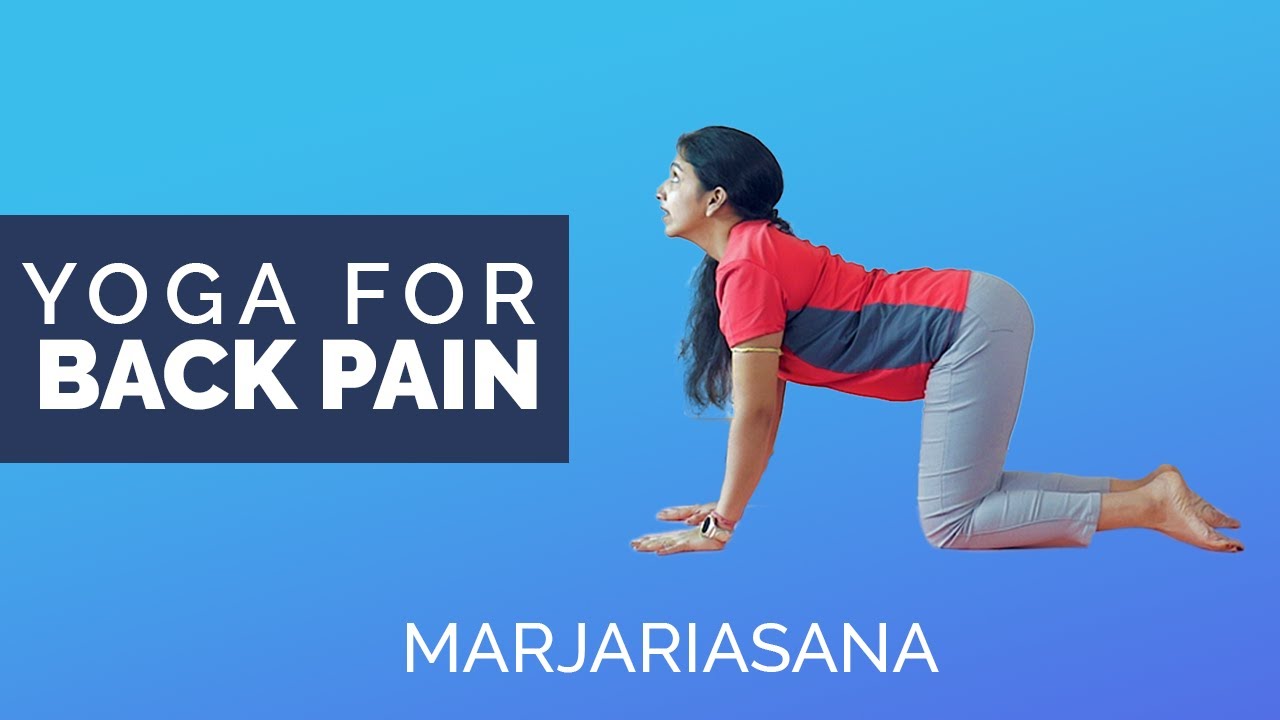
Marjariasana and Bitilasana
The rhythmic movement of cat and cow pose massages the abdominal organs and improves spinal flexibility.
Baddha Konasana
This seated posture opens the pelvic region and encourages circulation toward the reproductive organs.

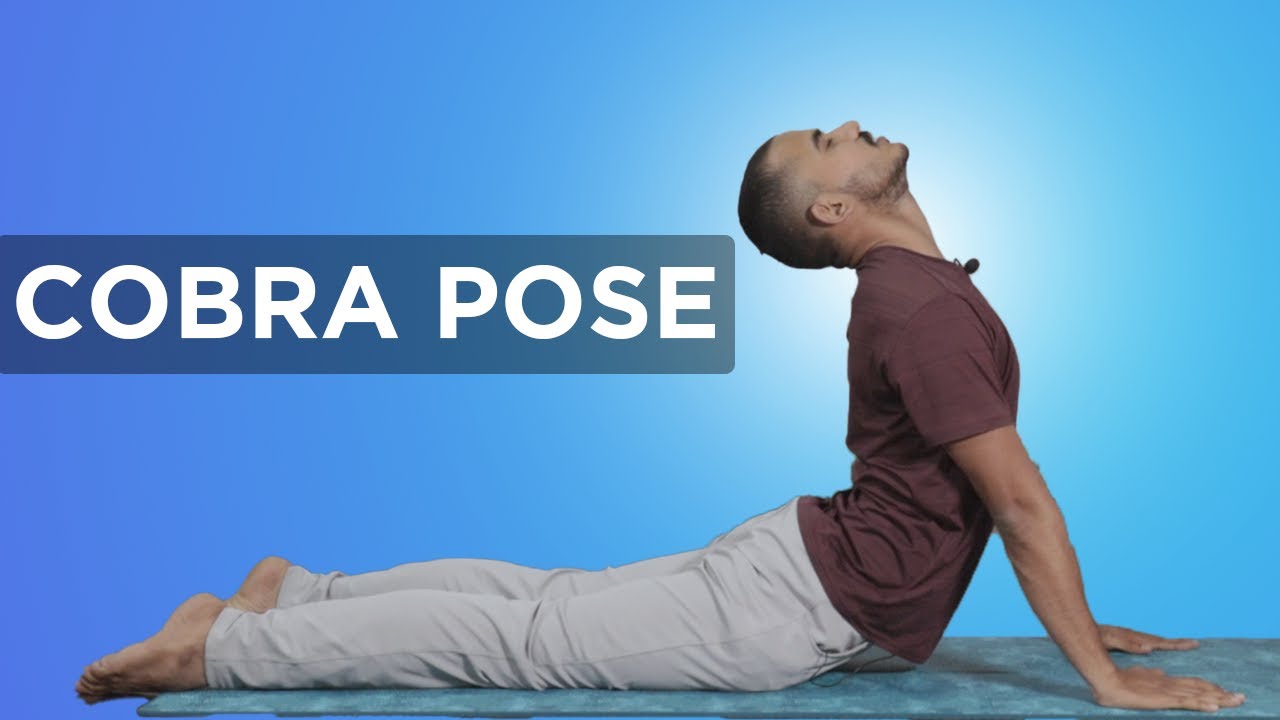
Bhujangasana
A gentle backbend that stretches the abdominal area and stimulates the ovaries and surrounding tissues.
Setu Bandhasana
Bridge pose activates the pelvic floor muscles and encourages blood flow in the lower abdomen.

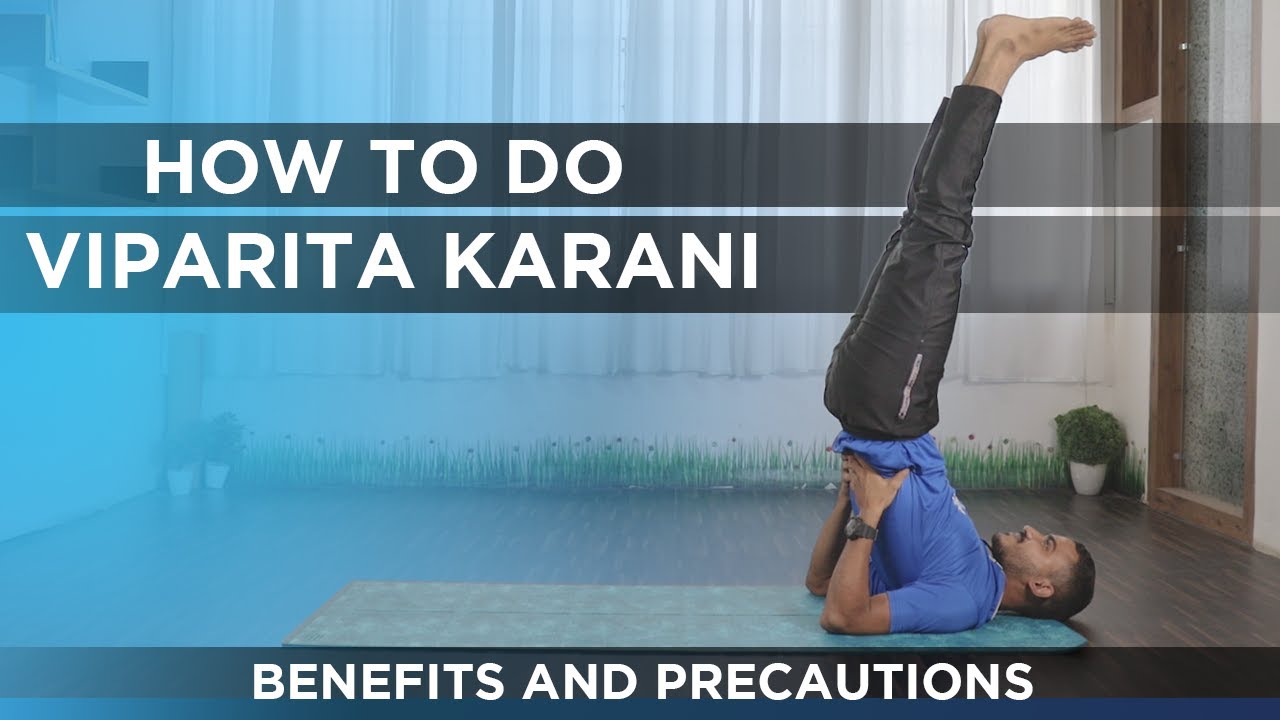
Viparita Karani
A restorative inversion that relaxes the body and supports venous circulation from the pelvic region.
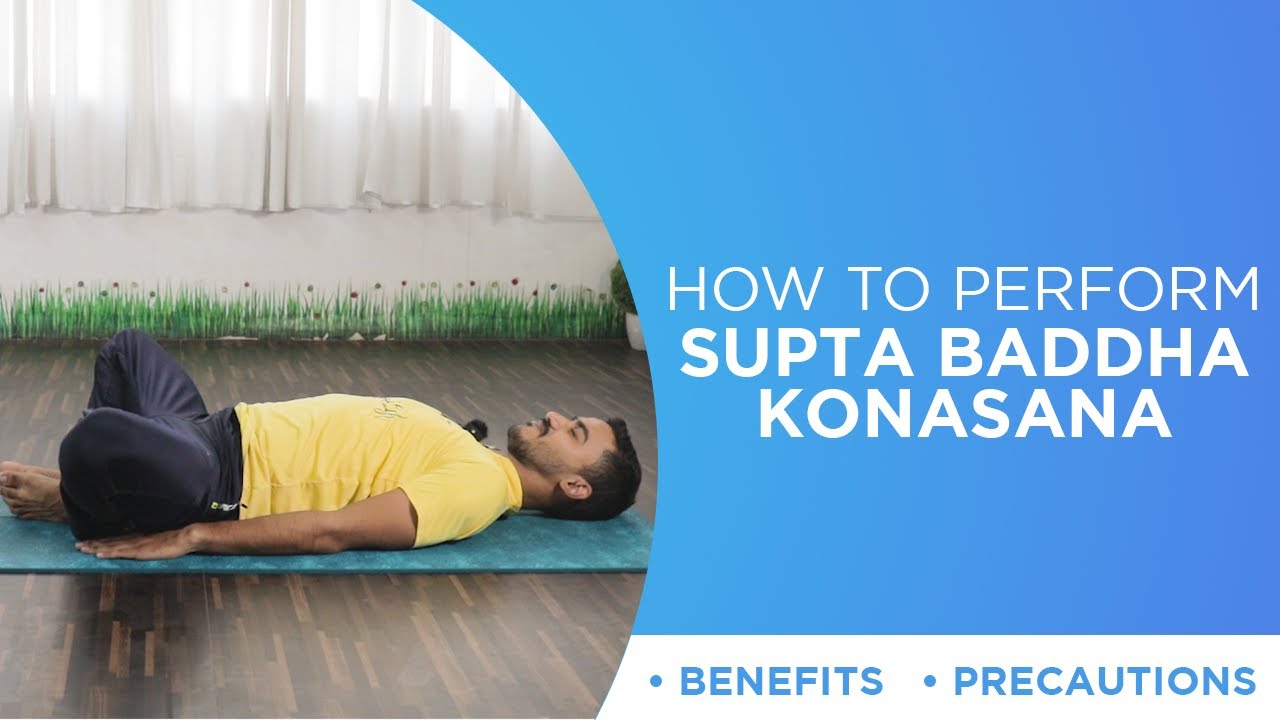
Supta Baddha Konasana
A deeply relaxing posture that helps calm the nervous system while gently opening the hips.
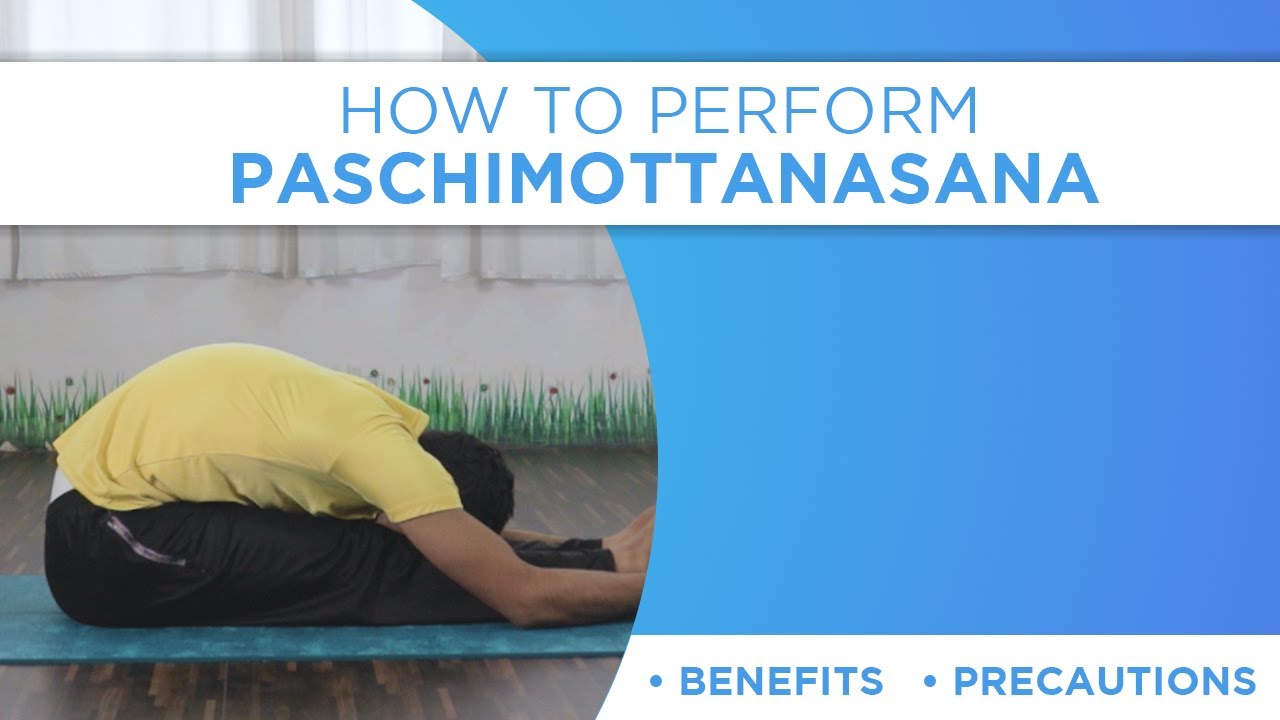
Paschimottanasana
This forward bend encourages relaxation and gentle stimulation of the digestive and reproductive organs.
Pranayama Practices for Hormonal Balance
Breathing practices in yoga help regulate the nervous system and may influence hormonal stability
Anulom Vilom
Alternate nostril breathing helps calm the mind and balance the autonomic nervous system.

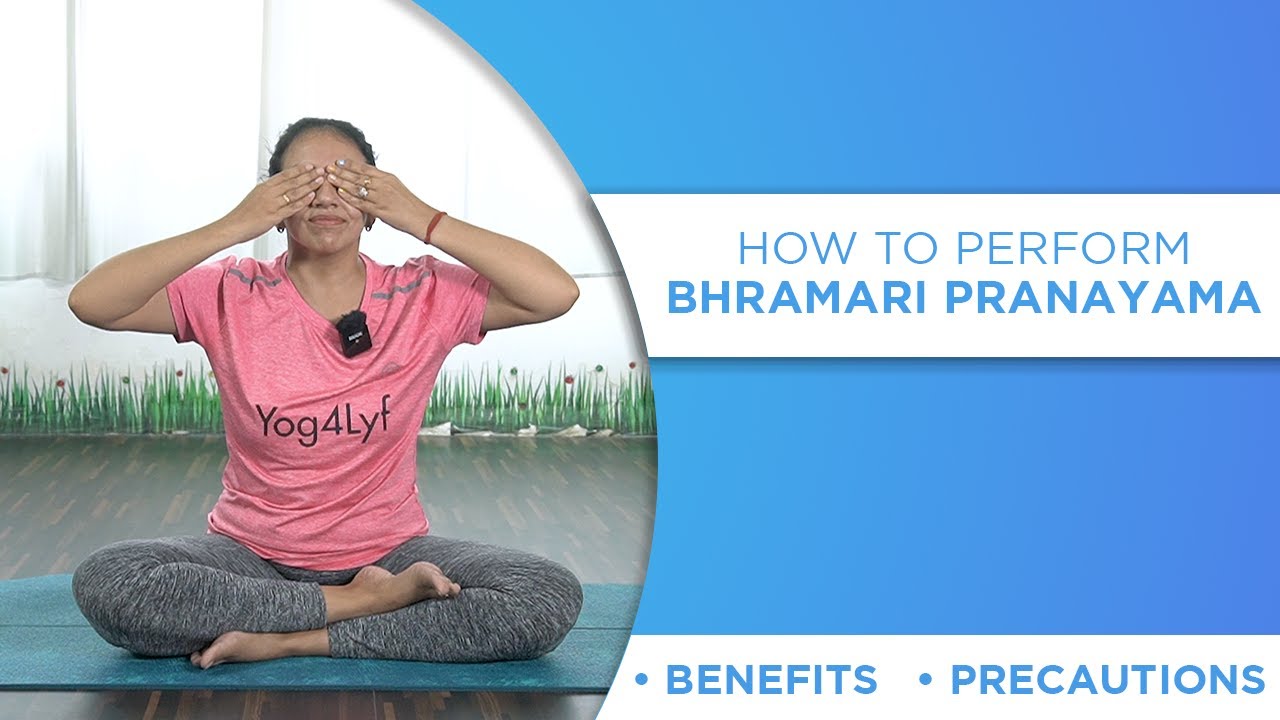
Bhramari pranayama
The humming breath creates a soothing vibration that reduces stress and promotes inner relaxation.
Regular pranayama practice may help create a calmer internal environment that supports hormonal communication within the body.
Additional Lifestyle Practices That May Support Ovulation
Along with yoga a few supportive lifestyle practices can help nurture reproductive health.
- Eating a balanced diet rich in whole foods and essential nutrients
- Maintaining a healthy body weight
- Prioritizing good quality sleep
- Managing emotional stress through mindfulness or meditation
- Staying physically active with gentle and consistent movement
Small consistent habits often create meaningful changes in hormonal health over time.
When to Seek Medical Guidance
While lifestyle practices can support reproductive wellness persistent menstrual irregularities should be evaluated by a healthcare professional.
Medical guidance may include
- Hormonal testing
- Ultrasound examination of the ovaries
- Evaluation for thyroid or metabolic conditions
Early diagnosis helps create a more targeted treatment plan and improves the chances of restoring ovulation.
FAQs on Anovulation and Yoga Support
1. What is anovulation
Anovulation is a condition where the ovary does not release an egg during the menstrual cycle. Since ovulation is necessary for fertilization, its absence can make conception difficult. Some women may still experience periods even without ovulation.
2. Can anovulation cause infertility
Yes, anovulation is one of the common causes of female infertility. If the ovary does not release an egg, fertilization cannot occur. However, many women with anovulation can restore ovulation with proper medical care and lifestyle changes [3]
3.What conditions can lead to anovulation
Several factors can contribute to anovulation including polycystic ovary syndrome, thyroid disorders, chronic stress, hormonal imbalance, and significant weight changes. These factors can interfere with the hormonal signals that trigger ovulation.
4. Can yoga help support ovulation
yoga may help reduce stress, improve circulation, and support hormonal balance, which can create a healthier internal environment for reproductive function [4]
5. When should someone see a doctor for anovulation ?
If menstrual cycles are consistently irregular, absent for several months, or pregnancy is not occurring after trying for a year, it is important to consult a healthcare professional for evaluation and guidance
A Holistic Perspective on Supporting Ovulation
Healing the reproductive system often requires a whole body perspective. Hormones respond not only to medication but also to emotional wellbeing lifestyle balance and daily habits.
Yoga offers a gentle path that integrates movement breath and mindfulness. When combined with balanced nutrition medical care and consistent self care practices it can support women on their journey toward hormonal harmony and reproductive wellness.
With patience and regular practice many women discover that nurturing the body holistically can gradually restore balance within the menstrual cycle.
Disclaimer –This article is meant to support awareness and well-being, not replace medical care. If you have ongoing symptoms or a diagnosed condition, please consult a qualified healthcare professional before starting any new practice