Many women today are choosing to conceive later in life, and with that comes increasing awareness about egg quality. While fertility treatments have advanced significantly, many women also want to understand how lifestyle choices influence reproductive health. Egg quality plays a crucial role in fertilization, embryo development, and pregnancy outcomes.
A balanced approach combining medical science with supportive practices like yoga may help create a healthier internal environment for conception.
What Is Egg Quality?
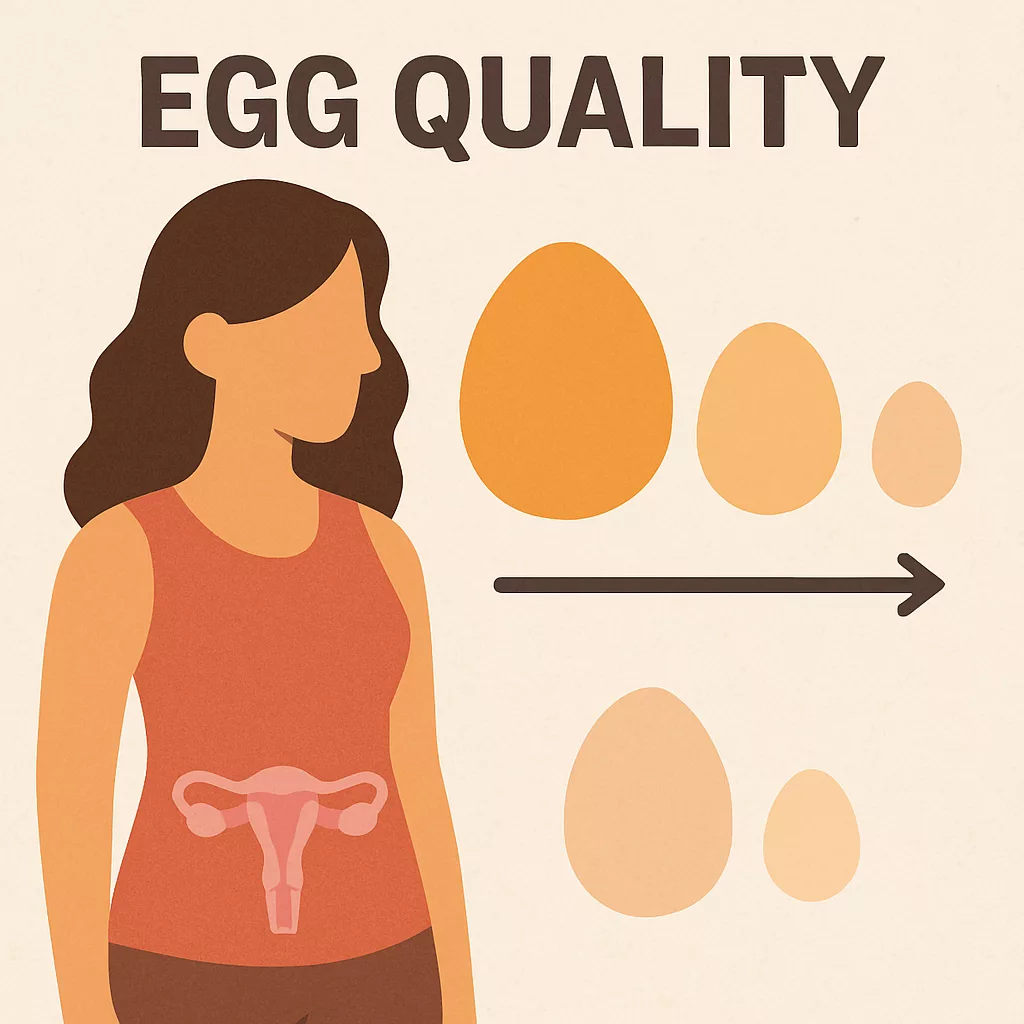
Egg quality refers to the genetic and cellular health of a woman’s eggs. A high-quality egg typically has the correct number of chromosomes and strong mitochondrial function, which provides energy for embryo development. Doctors say that egg quality cannot be directly tested before retrieval and is most strongly influenced by age, declining after the early 30s due to increased chromosomal abnormalities [1]
It’s important to distinguish between:
- Egg quantity – The number of eggs remaining (ovarian reserve)
- Egg quality – The chromosomal and cellular integrity of each egg
A woman may have adequate egg quantity but still struggle due to compromised egg quality.
How Is Egg Quality Evaluated?
Egg quality cannot be measured directly unless fertilization occurs, but doctors assess related markers such as [2] :
- AMH (Anti-Müllerian Hormone) – Indicates ovarian reserve
- FSH (Follicle Stimulating Hormone) – Elevated levels may signal reduced reserve
- Antral Follicle Count (AFC) – Measured via ultrasound
- IVF embryo grading – Assesses embryo development quality
These tests provide guidance, but they do not guarantee pregnancy outcomes.
What Affects Egg Quality?
Several biological and lifestyle factors influence egg quality.
1️⃣ Age
Age is the most significant factor, ESHRE guidelines on female fertility note that advanced maternal age is associated with reduced egg competence and increased chromosomal errors [3] After 35, the likelihood of chromosomal abnormalities gradually increases.
2️⃣ Oxidative Stress
Free radicals can damage mitochondrial function inside egg cells, affecting their ability to mature properly.
3️⃣ Hormonal Imbalance
Conditions like PCOS, thyroid dysfunction, or irregular ovulation may interfere with egg development.
4️⃣ Lifestyle Factors
- Smoking
- Poor sleep
- Chronic stress
- Nutritional deficiencies
- Environmental toxin exposure
These factors can influence the internal reproductive environment over time.
Yoga Course to Boost Egg Quality
Yog4Lyf’s fertility courses are thoughtfully built on years of experience and compassionate guidance. Led by founder Kavita Arora and a team of certified instructors, this fertility program includes targeted asanas that have supported individuals facing poor egg quality issues and fertility concerns. With a community of 50,000+ participants, many have seen positive results through regular dedication.

Symptoms of Low Egg Quality
Low egg quality often has no obvious physical signs. Many women only discover concerns after:
- Recurrent miscarriages
- Difficulty conceiving
- Failed IVF cycles
Because symptoms are subtle, proper fertility evaluation is essential for clarity.
Can Egg Quality Be Improved Naturally?
Women are born with all the eggs they will ever have, meaning new eggs cannot be created. However, the environment in which eggs mature during the 90-day development cycle may be influenced by lifestyle and hormonal balance.
Research suggests that improving:
- Blood circulation
- Stress regulation
- Metabolic health
- Antioxidant status
may support overall reproductive wellness. This is where yoga can play a supportive role.
How Yoga May Support Egg Quality
It is important to state clearly: there is no direct scientific evidence proving yoga increases egg quality. However, yoga may positively influence the underlying factors that affect reproductive health.
🌿 1. Improves Pelvic Circulation
Certain asanas encourage blood flow to the lower abdomen. Better circulation may enhance oxygen and nutrient delivery to developing follicles as stated in physiopedia [4]
🌿 2. Reduces Stress Hormones
Chronic stress increases cortisol, which may disrupt reproductive hormone signaling. Yoga activates the parasympathetic nervous system, promoting calmness and hormonal stability.
🌿 3. Supports Hormonal Communication
The hypothalamic-pituitary-ovarian axis regulates ovulation. Gentle movement and breathwork may support balanced signaling between the brain and ovaries.
🌿 4. May Improve Insulin Sensitivity
For women with PCOS, improved metabolic balance may support healthier ovulation patterns.
Yoga Poses to boost Egg Quality
At Yog4Lyf, we believe healing begins with thoughtful structure. That’s why our yoga asanas are developed and refined over years by certified professionals, with attention to issues like poor egg quality. Our holistic integration of yoga and mindful diet habits supports deep, lasting change. Consistent practice has brought hopeful outcomes for many users.
Baddha Konasana (Butterfly Pose)
This gentle hip-opening posture enhances pelvic circulation and relaxes reproductive muscles. Improved blood flow may support follicular nourishment.

Setu Bandhasana (Bridge Pose)
Bridge pose stimulates abdominal organs and increases circulation to the lower body. It may help support endocrine balance.

Viparita Karani (Legs Up the Wall)
A restorative pose that reduces pelvic congestion and promotes relaxation. It supports gentle circulation while calming stress responses.

Malasana (Yogic Squat)
This grounding posture improves pelvic flexibility and circulation. It may help release tension stored in the lower abdomen.
Consistency matters more than intensity. Gentle, guided practice is recommended, especially during fertility treatment states Kavita Maam Founder and Fertility Expert.

The Role of Pranayama in Fertility Support
Breathwork directly influences the nervous system and stress hormones. Practices like:
Bhramari Pranayama
may reduce cortisol levels and support hormonal regulation. Emotional well-being plays a powerful role in reproductive health.

Sheetali Pranayam
It helps reduce body heat, ease stress, and promote hormonal balance when practiced regularly.

Diet and Lifestyle for Supporting Egg Quality
Yoga works best when combined with supportive habits, such as:
- Antioxidant-rich foods (berries, leafy greens)
- Omega-3 fatty acids
- 7–8 hours of sleep
- Hydration
- Avoiding smoking and excessive alcohol
Egg quality support is holistic, not isolated.
Safety and Contraindications
Yoga should always be practised mindfully. Certain postures may need modification or avoidance depending on individual health conditions.
- Avoid forceful poses during severe hormonal imbalance flare-ups
- Modify postures if experiencing pain or discomfort
- Stop practice if dizziness or discomfort occurs
Always seek medical guidance if symptoms worsen or persist.
When to Consult a Specialist
Seek medical guidance if:
- You are over 35 and trying for more than 6 months
- You have experienced recurrent miscarriages
- You have irregular cycles or diagnosed hormonal disorders
- IVF attempts have been unsuccessful
Yoga should complement professional fertility care not replace it.
Frequently asked Questions
1.At what age does egg quality start declining?
Egg quality naturally begins to decline after age 30, with a more noticeable drop after 35. By 40, chromosomal abnormalities in eggs become more common.
2. How is egg quality different from egg quantity?
Egg quantity means the number of eggs remaining in the ovaries, while egg quality relates to how healthy those eggs are. A woman can have good quantity but reduced quality, especially with age
3. At what age does egg quality start declining?
Egg quality naturally begins to decline after age 30, with a more noticeable drop after 35. By 40, chromosomal abnormalities in eggs become more common
4. How can I test my egg quality?
Egg quality cannot be directly measured, but doctors assess ovarian reserve through AMH blood tests, FSH levels, and antral follicle count (AFC) via ultrasound.
5. Is egg quality linked to miscarriage risk?
Yes, poor egg quality increases the chances of chromosomal abnormalities, which are one of the leading causes of early miscarriage. A recent genetic study reported that maternal genetic factors affecting egg chromosomal segregation are linked with aneuploidy and pregnancy loss, reinforcing the idea that egg quality, especially chromosome integrity influences miscarriage risk. [5]
6.Can yoga help improve egg quality?
Yoga supports blood circulation to the pelvic region, balances hormones, and reduces oxidative stress. While it cannot change age-related decline, regular practice may support overall ovarian health and fertility.
Final Thoughts
Egg quality is influenced by age, genetics, hormones, and lifestyle factors. While yoga is not a cure, it may help create a balanced internal environment that supports reproductive wellness.
An integrated approach combining medical expertise with mindful movement, stress reduction, and nutritional support offers a grounded and hopeful pathway. Fertility journeys are deeply personal, and compassionate care matters.
Disclaimer –This article is meant to support awareness and well-being, not replace medical care. If you have ongoing symptoms or a diagnosed condition, please consult a qualified healthcare professional before starting any new practice