
Yes Yoga can help heal Adenomyosis naturally by balancing hormones. Women with adenomyosis often experience heavy periods, severe cramps, and chronic pelvic pain. It’s commonly misdiagnosed or confused with endometriosis. Though the exact cause is unknown, hormonal imbalance and uterine inflammation are believed to contribute.
What is Adenomyosis
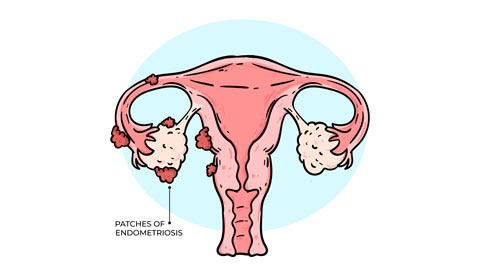
Adenomyosis is a condition where the inner lining of the uterus (endometrium) grows into the muscular wall of the uterus (myometrium). This can cause the uterus to become enlarged, thickened, and inflamed. It’s often confused with endometriosis (where the same tissue grows outside the uterus), but in adenomyosis, some of this tissue grows into the myometrium, which is the muscular inner wall of the uterus.The tissue still behaves as it would if it lined the uterus, so it thickens and bleeds with a woman’s monthly hormone cycle states Mildred R Chernofsky, MD [1]
Differences between Endometriosis and Adenomyosis
| Aspect | Adenomyosis | Endometriosis |
| Location | Endometrial tissue grows into the muscular wall of uterus | Endometrial-like tissue grows outside the uterus |
| Uterus size | Uterus often becomes enlarged or bulky | Uterus usually remains normal in size |
| Pain type | More associated with heavy bleeding and cramping | More associated with pelvic pain, especially during sex or bowel movements |
| Fertility impact | May cause issues, but less common than in endometriosis | Frequently linked to infertility |
| Diagnosis | Often diagnosed via MRI or after hysterectomy | Can be diagnosed with laparoscopy |
| Treatment approach | Focus on managing bleeding and uterine inflammation | Focus on removing external lesions and managing hormonal balance |
In short:
Adenomyosis affects the muscle wall of the uterus, while endometriosis affects areas outside the uterus but both involve abnormal growth of endometrial tissue and can lead to pain, hormonal imbalance, and
Why Does Adenomyosis Happen?
- Hormonal imbalances, especially high levels of estrogen, seem to play a major role.
- Inflammation in the uterus and immune dysfunction may also be involved.
- Women who’ve had childbirth, cesarean sections, or uterine surgeries may be more likely to develop it [2]
- And then there’s the quiet burden of chronic stress and trauma which may not show up on a scan, but can deeply impact the womb over time.
Whatever the cause, please know: it’s not your fault. Your body isn’t betraying you it’s signaling that it needs care.
Yoga Course for Adenomyosis & Fertility :
At Yog4Lyf, our yoga courses are created with care, experience, and deep understanding. Led by fertility yoga expert Kavita Arora, the program includes purposeful asanas that have supported thousands facing Adenomyosis and Fertility Struggles. With 50,000+ learners, consistent practice this Fertility Course has led to meaningful, encouraging outcomes.

Symptoms of Adenomyosis
Here’s what many women with adenomyosis report experiencing:
- Heavy and prolonged periods that leave you exhausted
- Crippling menstrual cramps, often worse than “normal” pain
- Chronic pelvic pressure or bloating in the lower belly
- Pain during intimacy
- Unexplained fatigue or brain fog, especially around your cycle
- Emotional overwhelm, mood swings, or anxiety before and during menstruation
If this sounds familiar, you are not being dramatic. You are not weak. You are likely dealing with something very realand very under-recognized.
Yoga Asanas to Naturally heal Adenomyosis
Each Yog4Lyf program is carefully structured with compassion and expertise, aiming to heal hormonal imbalances such as Adenomyosis naturally. Guided by certified trainers, our holistic yoga asanas combined with dietary support to strengthen the body from within. Given below are group of asanas that help in healing adenomyosis :-
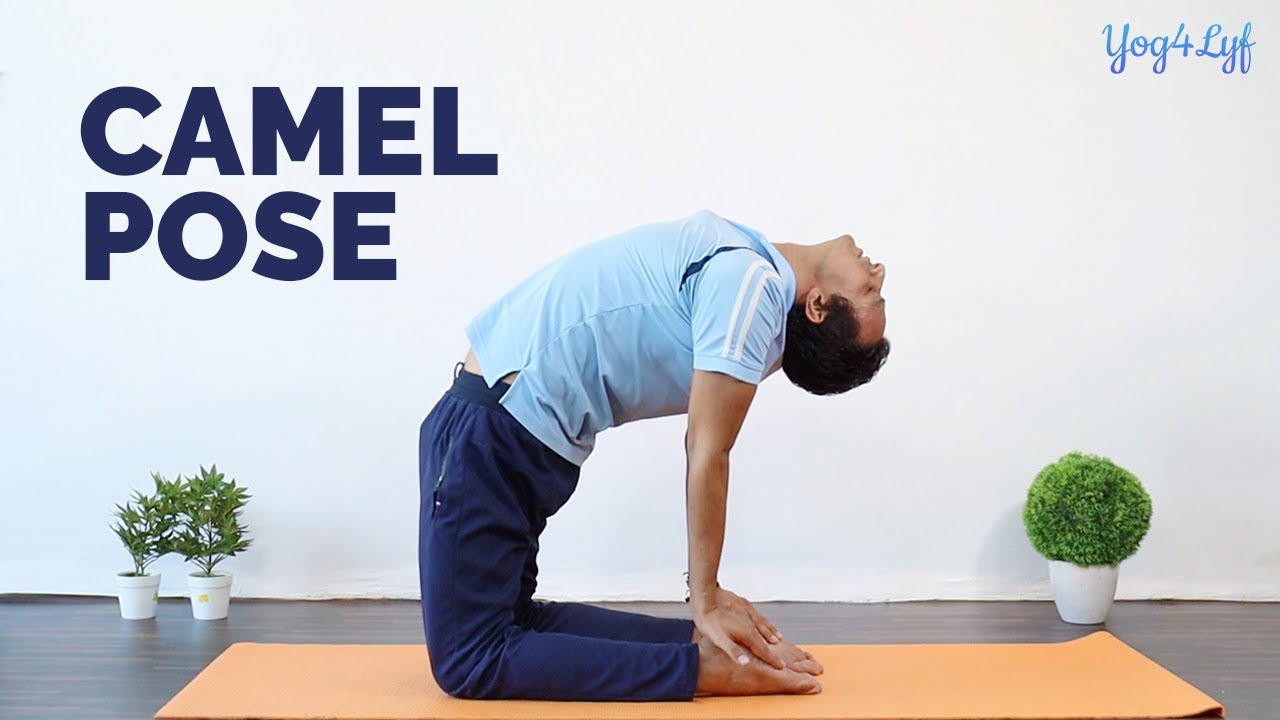
Ustrasana (Camel Pose)
A nurturing pose that strenghthens the vertebral column and pelvic region. Perfect for bringing agility and blood circulation in the body.
Setu Bandhasana (Bridge Pose)
Strengthens the pelvic floor and encourages healthy circulation in the reproductive area. Can be done with support under the sacrum to reduce strain.

Viparita Karani (Legs Up the Wall)
A deeply calming pose that supports lymphatic drainage, eases bloating, and grounds your nervous system.

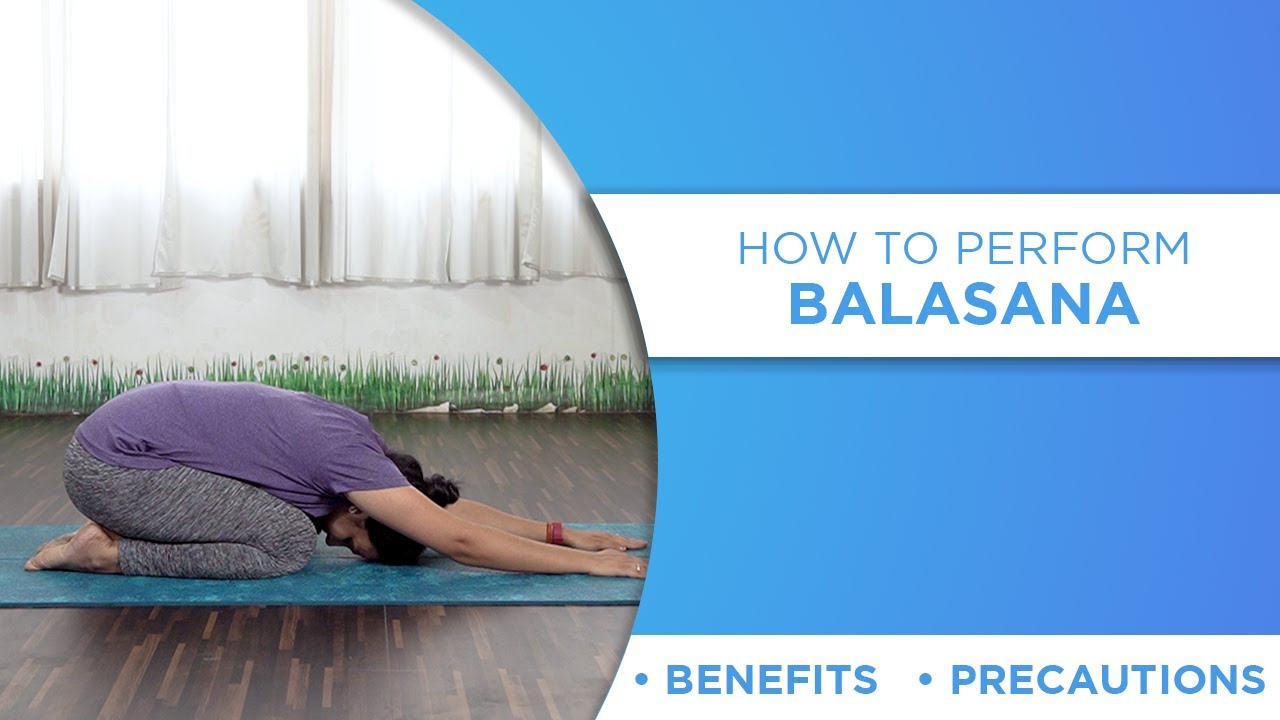
Balasana (Child’s Pose)
Soothes lower back pain and encourages emotional release. Rest your forehead on the mat or a block, and just breathe.
Malasana (Yogi Squat)
Opens up the pelvic floor and hips, relieving congestion in the lower abdomen. Use a rolled blanket under your heels if needed.

Breathwork ( Pranayama ) for Adenomyosis
When pain builds in the body, it often brings mental restlessness and emotional fatigue along with it. Breathwork (pranayama) and mindful stillness can help quiet that noise.
Anulom Vilom (Alternate Nostril Breathing)
Balances both sides of the brain and body, calms the mind, and reduces hormonal fluctuations.

Bhramari (Bee Breath)
Gentle humming vibrations soothe the nervous system and can even reduce pain perception [3]

Yoga Nidra (Yogic Sleep)
Yoga Nidra guided deep relaxation practice that allows the body to rest, repair, and reset.
Sacral Chakra Meditation
Focuses on the energy center associated with the reproductive system like ovaries, fallopian tubes, uterus etc. Visualize warm orange light healing and nourishing your womb space.
Breath is powerful medicine. When done with intention, it becomes a form of self-love.
Small Lifestyle Changes to Support Your Practice
Pairing yoga with small, sustainable changes can help amplify your body’s healing:

- Eat an anti-inflammatory diet: Leafy greens, healthy fats, turmeric, ginger, and flaxseeds.
- Drink warm herbal teas: Fennel, chamomile, and ginger are soothing to the uterus.
- Avoid cold, processed, and estrogen-dominant foods.
- Gently massage your lower belly with warm castor oil.
- Prioritize rest and deep, uninterrupted sleep.
- Replace self-criticism with self-compassion.
Healing adenomyosis isn’t just about doing more, it’s often about doing less, and doing it with love.
Safety and Contraindications
Yoga should always be practised mindfully. Certain postures may need modification or avoidance depending on individual health conditions.
- Avoid forceful poses during severe hormonal imbalance flare-ups
- Modify postures if experiencing pain or discomfort
- Stop practice if dizziness or discomfort occurs
Always seek medical guidance if symptoms worsen or persist.
A Yog4Lyf’s Holistic Approach via :- Yog4Lyf App
In our app you will get
Live Classes: Morning and evening sessions for all fitness levels.
Diet Plans: Nutrition guides to complement yoga practice.
Community Support: Forums to share experiences and victories.
Frequently asked Questions
1.When does adenomyosis flare up?
Adenomyosis commonly flares up around menstruation, when hormonal changes increase uterine inflammation.Symptoms can worsen just before or during periods, especially with heavy bleeding.
Flare-ups may also occur with hormonal imbalance, stress, or fatigue.
Pain can intensify during intercourse or prolonged physical strain.
2.Is adenomyosis hereditary?
Adenomyosis is not strictly hereditary, but genetics may play a role.
Women with a family history of uterine conditions like endometriosis or fibroids may have a higher risk.
Hormonal and immune factors are also important contributors.
3.Can Yoga heal adenomyosis?
Yoga helps adenomyosis by reducing pelvic pain, inflammation, and menstrual cramps through relaxation and gentle movement. It supports hormonal balance and stress reduction, which can ease symptom flare-ups.
Studies show yoga improves chronic pelvic pain and dysmenorrhea, common in adenomyosis. [4]
4.Can adenomyosis cause infertility?
If adenomyosis worsens, menstrual pain and cramping become more severe and persistent.
Periods may become very heavy and prolonged, increasing the risk of anemia.
It can interfere with conception by affecting uterine muscle function and implantation as mentioned in MDPI [5]
Chronic pelvic pain may significantly impact daily life, fertility, and emotional well-being.
Disclaimer –This article is meant to support awareness and well-being, not replace medical care. If you have ongoing symptoms or a diagnosed condition, please consult a qualified healthcare professional before starting any new practice