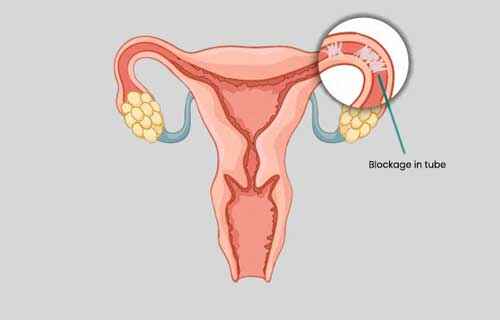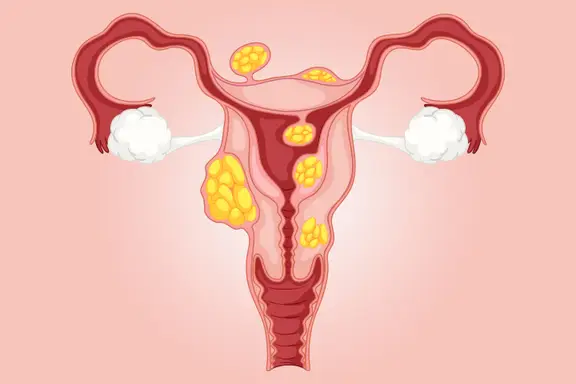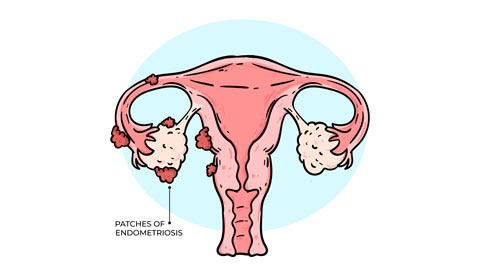

White vaginal discharge, also known as leucorrhea, is a topic often surrounded by silence or discomfort. However, it’s a completely natural phenomenon experienced by most women at different stages of life, be it puberty, ovulation, pregnancy, or menopause.
What Is White Vaginal Discharge?
White discharge is your body’s way of keeping the vaginal canal clean and lubricated. It plays a protective role by flushing out unwanted bacteria and maintaining a healthy pH balance. When this discharge is clear or white, odorless, and mild, it’s usually normal.
However, when discharge becomes thick, excessive, discolored, foul-smelling, or is accompanied by itching or pain, or bartholin cyst it may indicate an underlying imbalance or infection. This condition is medically known as leucorrhea.
Common Causes of Abnormal White Discharge
Understanding the root causes can help you manage and prevent the recurrence of leucorrhea naturally. Below are some of the most common triggers:
1. Hormonal Imbalance
Fluctuating levels of estrogen and progesterone can affect the amount and consistency of discharge. This is common during puberty, menstruation, pregnancy, and menopause. Hormonal disorders like PCOS or thyroid dysfunction can also lead to abnormal discharge.
2. Poor Vaginal Hygiene
Using harsh soaps, wearing tight synthetic underwear, or improper wiping techniques can disrupt the natural flora, allowing harmful bacteria or fungi to thrive
3. Stress & Emotional Fatigue
Chronic stress disturbs the body’s hormone regulation, weakens immunity, and increases vulnerability to infections, all of which can lead to abnormal discharge.
4. Vaginal Infections
Fungal infections (like candida/yeast infection), bacterial vaginosis, or sexually transmitted infections can all cause thick white or colored discharge with odor and irritation
5. Nutritional Deficiencies
Lack of vital nutrients especially iron, vitamin C, and zinc, weakens tissue health and impairs the body’s ability to fight infections, contributing to leucorrhea.
6. Irregular Menstrual Cycles
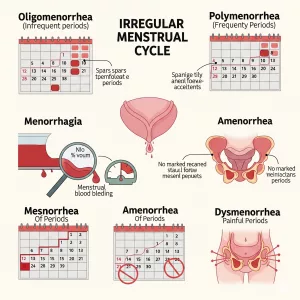
Hormonal irregularities that delay or disrupt menstruation can sometimes result in prolonged or excessive white discharge as the uterus attempts to self-clean.
Symptoms That May Indicate a Problem
While some discharge is normal, certain signs should never be ignored states icliniq [1] These include -:
- Thick, cheesy, or frothy consistency
- Yellow, green, or gray color
- Foul or fishy odor
- Itching, burning, or redness in the vaginal area
- Pain during urination or intercourse
- Abdominal or lower back discomfort
If you experience any of these, it’s advisable to consult a gynecologist for medical evaluation.
How Yoga Supports Healing from Leucorrhea
Yoga is not just a physical practice, it’s a healing system that balances the body, mind, and emotions. Through postures, breathwork, and mindfulness, yoga can:
- Balance the endocrine (hormonal) system, which regulates reproductive health.
- Improve blood circulation to the pelvic region, supporting detoxification.
- Reduce mental stress, which is a known aggravator of vaginal health issues.
- Support digestion and elimination, reducing toxin buildup that may affect vaginal flora.
- Tone and strengthen reproductive organs, including the uterus and ovaries [2].
Yoga Course on Leucorrhea PCOS and related issues :
Yog4Lyf courses are guided by certified instructors committed to holistic healing. Under the leadership of Kavita Arora, these asanas have supported many individuals managing Leucorrhea and PCOS related concerns. Over 50,000 users have trusted this PCOS course and reported positive progress through regular practice.

Yoga Asanas to Manage and Heal White Discharge
At Yog4Lyf, we believe healing begins with thoughtful structure. That’s why our yoga asanas are developed and refined over years by certified professionals, with attention to hormonal concerns like Leucorrhea. Our holistic integration of yoga and mindful diet habits supports deep, lasting change. Consistent practice has brought hopeful outcomes for many users. Given below are sets of asanas for healing leucorrhea :-
Supta Baddha Konasana (Reclining Bound Angle Pose)

Opens up the groin and pelvis.
Stimulates blood flow to the uterus.
Calms the nervous system, reducing anxiety and emotional overload.
How to do: Lie on your back, bring soles of your feet together, let your knees fall outward. Place one hand on the heart and one on the belly, breathe deeply for 5–10 minutes.
Balasana (Child’s Pose)
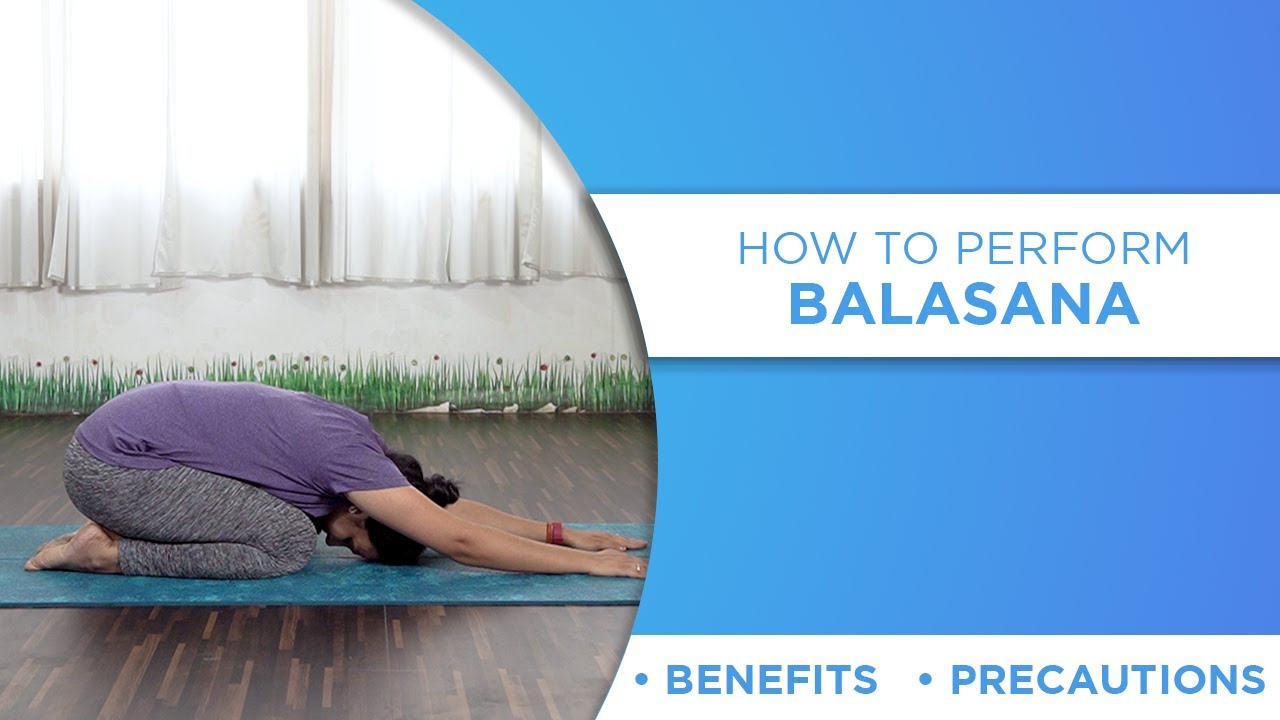
Offers deep rest and relaxation.
Gently stretches the lower back and abdomen.
Soothes inflamed pelvic organs.
Tip: Ideal during PMS or when feeling emotionally low.
Bhujangasana (Cobra Pose)
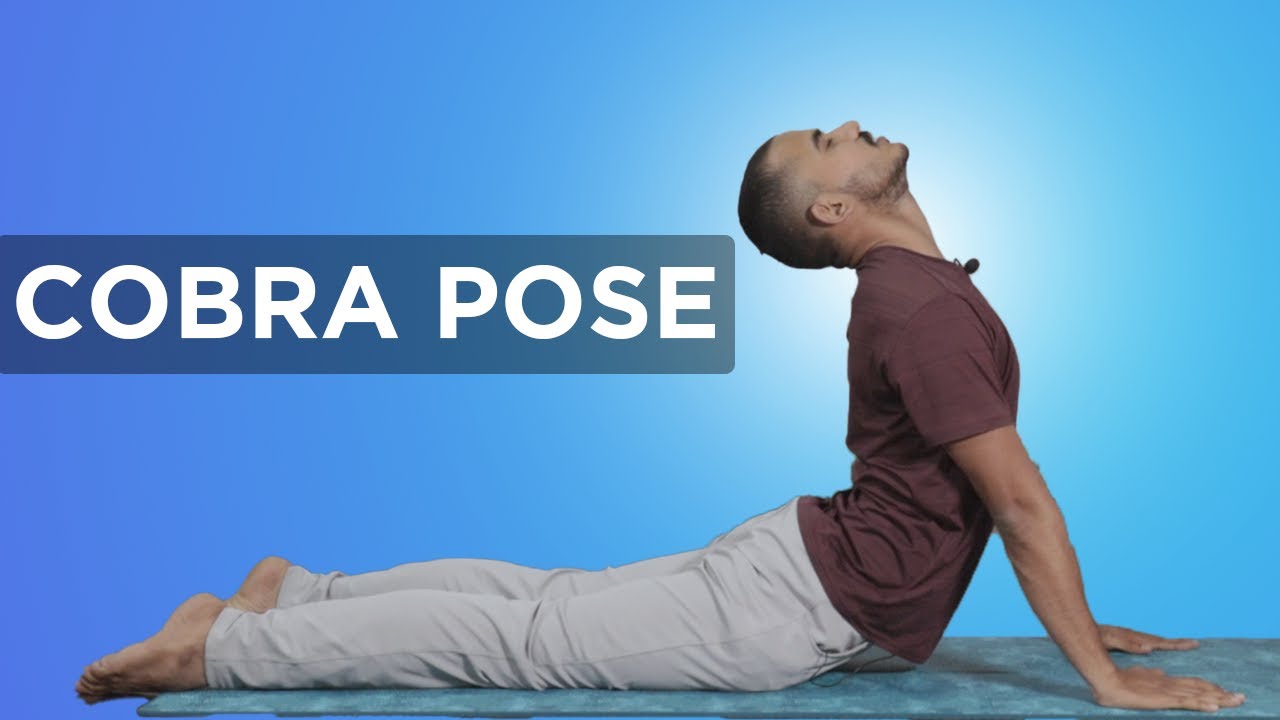
Strengthens the spine and tones the uterus.
Stimulates abdominal organs and increases circulation to reproductive areas.
Caution: Avoid during active infections or menstruation.
Paschimottanasana (Seated Forward Bend)
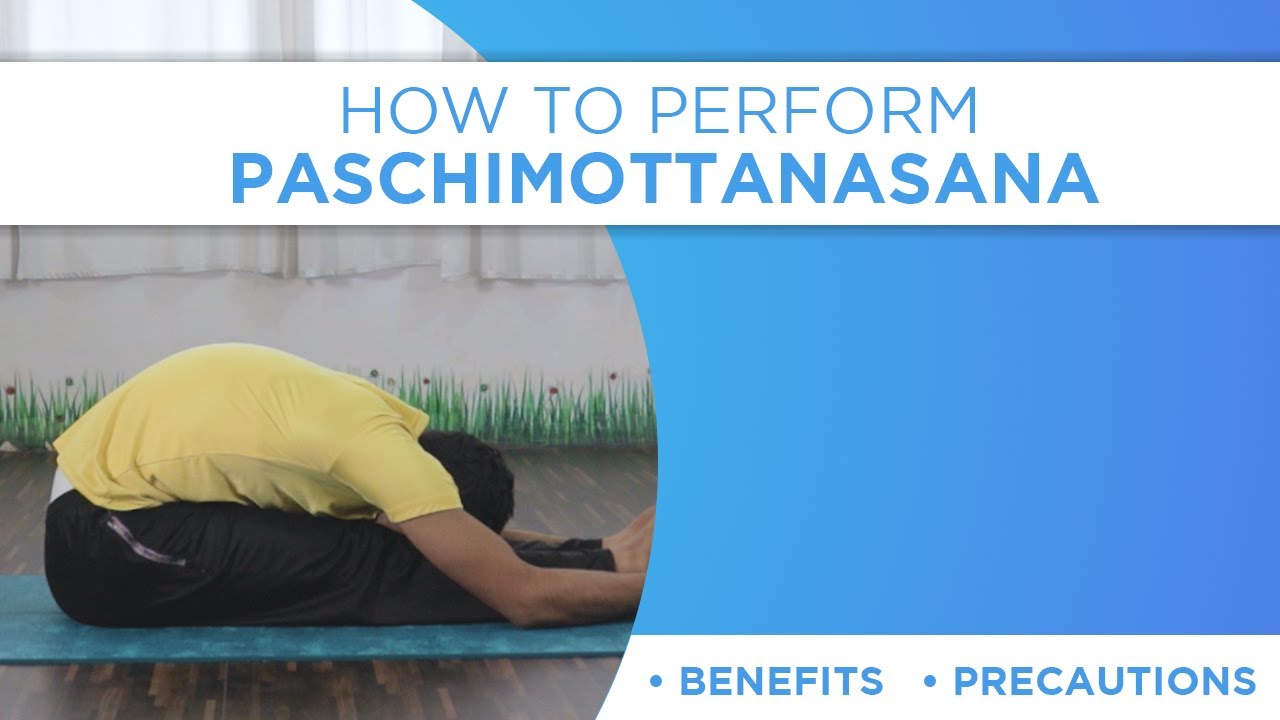
Massages the abdominal region and improves digestion.
Helps reduce bloating and detoxifies the lower organs.
Modifications: Bend the knees slightly if your hamstrings are tight.
Setu Bandhasana (Bridge Pose)

Opens the chest, hips, and pelvic floor.
Activates thyroid and hormone-regulating glands.
Builds strength in the lower back and uterus.
Bonus: Excellent for calming the mind and grounding energy.
Ustrasana (Camel Pose)
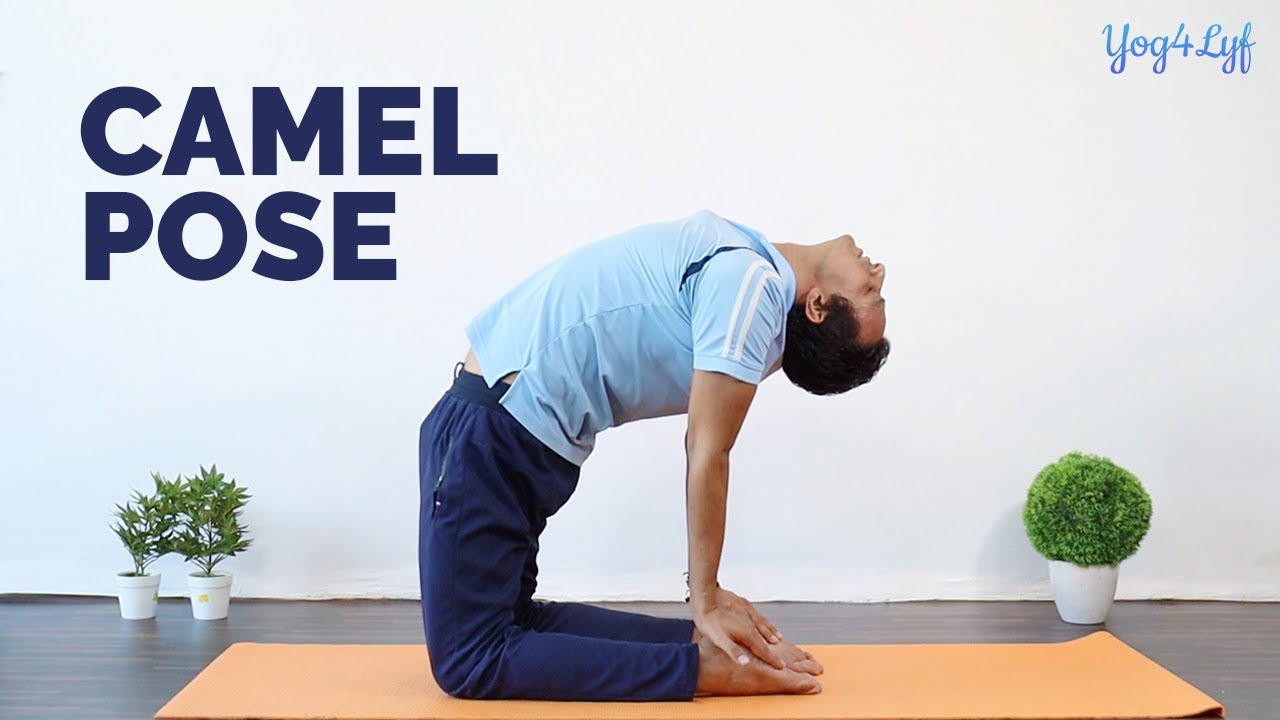
Stimulates ovaries and uterus.
Relieves congestion in the pelvic region [3]
Improves posture and enhances energy flow..
Practice Tip: Keep your breath slow and deep to avoid strain.
Lifestyle & Dietary Tips for Faster Healing
Pair your yoga practice with mindful lifestyle changes for best results:
- Hydration: Drink 8–10 glasses of water daily. Coconut water and cumin-fennel teas are excellent.
- Eat clean: Include amla, turmeric milk, fenugreek, flaxseeds, and leafy greens.
- Avoid: Sugar, processed foods, excess dairy, and spicy fried snacks.
- Practice hygiene: Use breathable cotton underwear. Wash the vaginal area with plain lukewarm water or pH-balanced cleansers.
- Rest: Get 7–8 hours of restful sleep. Sleep helps repair reproductive tissues.
Safety and Contraindications
Yoga should always be practised mindfully. Certain postures may need modification or avoidance depending on individual health conditions.
- Avoid forceful poses during severe hormonal imbalance flare-ups
- Modify postures if experiencing pain or discomfort
- Stop practice if dizziness or discomfort occurs
Always seek medical guidance if symptoms worsen or persist.
Yog4Lyf’s App :- for Women’s Wellness
At Yog4Lyf APP we provide:
- Safe and judgment-free yoga spaces designed especially for women.
- Toxin-free, handwoven Cotton Yoga Mats that support womb wellness and allow breathability during practice.
- Specialized women’s health classes that focus on hormonal balance, stress release, and reproductive vitality.
- Guided healing programs for concerns like PCOS, leucorrhea, irregular periods, and fertility.
Frequently asked Questions
1.What are the symptoms of abnormal leucorrhea?
- Thick, sticky, or foul-smelling discharge
- Yellow/green discharge
- Vaginal itching or burning
- Lower abdominal pain
- Pain during urination or intercourse [4]
2.Can Yoga reduce leucorrhea in Women?
- Improves pelvic blood flow → reduces stagnation and infection risk.
- Balances hormones → regulates estrogen and progesterone fluctuations.
- Strengthens pelvic floor muscles → supports vaginal health
3.How long does leukorrhea last?
Leucorrhea caused by infections (yeast, bacterial vaginosis, STIs), poor hygiene, or nutritional deficiencies. Can persist for weeks or months if untreated.May worsen with symptoms like itching, foul odor, pelvic pain, or burning sensation.
4.Can leucorrhea be prevented?
Yes, by managing stress and eating a nutritious diet
Practicing Yoga consequently
Practicing safe sex
Maintaining personal hygiene
Avoiding tight or synthetic clothing
When to Seek Medical Attention
Women should see a doctor if itching or discharge lasts more than a few days or is severe or if other symptoms suggesting an infection (such as pain or fever) develop.
If women recognize the symptoms of a vaginal yeast infection, are confident that what they have is a yeast infection based on previous experience (when the yeast infection was confirmed by a doctor) [5]
- Discharge is accompanied by severe itching, rash, or pain.
- There’s a sudden change in menstrual cycle or bleeding.
Yoga works best as a supportive and preventative practice, not a replacement for professional care.
Conclusion
White discharge is a natural part of the female body, but when it becomes excessive or uncomfortable, it’s a sign to pause and listen. Yoga offers a gentle, empowering, and natural path to restore balance physically, emotionally, and energetically.
At Yog4Lyf, we are committed to guiding women toward their healthiest, most vibrant selves. Whether through a yoga class, a safe mat, or a healing conversation , we are here to walk with you on your wellness journey.
Disclaimer –This article is meant to support awareness and well-being, not replace medical care. If you have ongoing symptoms or a diagnosed condition, please consult a qualified healthcare professional before starting any new practice