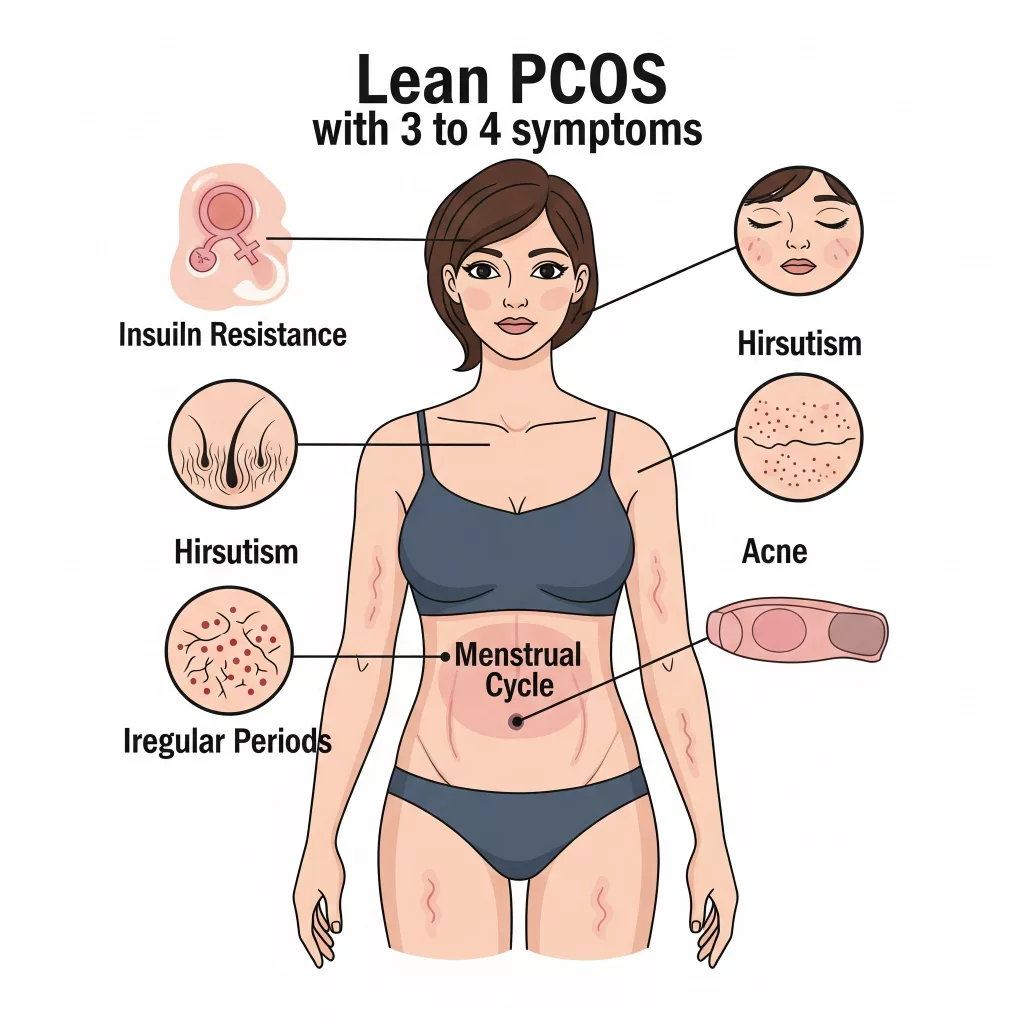

Weight gain in PCOS is often misunderstood as a simple calorie issue. Many women eat mindfully and exercise consistently yet continue to struggle with stubborn belly fat. One hidden factor that deserves attention is cortisol, the body’s primary stress hormone. When stress becomes chronic, it can quietly influence metabolism, insulin response, and fat storage patterns.
What Is Cortisol and Why It Matters in PCOS
Cortisol is produced by the adrenal glands and released in response to physical or emotional stress. In healthy amounts it helps regulate blood sugar, blood pressure, inflammation, and energy levels [1] It follows a natural rhythm, rising in the morning to wake you up and gradually lowering at night to support sleep.
In women with Polycystic Ovary Syndrome, the hormonal environment is already sensitive. Insulin resistance, androgen imbalance, and irregular ovulation create a delicate metabolic state. When cortisol remains elevated for long periods, it can intensify these imbalances and make weight management more difficult.
How High Cortisol Contributes to Weight Gain in PCOS
Chronic stress does not just affect the mind, it affects cellular metabolism.
Cortisol can contribute to weight gain in several interconnected ways [2]
• It increases blood sugar levels which may worsen insulin resistance
• It signals the body to store fat especially around the abdomen
• It increases cravings for sugary and processed foods during stress
• It may break down muscle tissue which slows metabolic rate
Over time this combination creates a pattern where the body feels stuck in survival mode. Fat storage becomes easier and fat loss becomes harder.
Cortisol and Insulin Resistance
according to the Cleveland Clinic, cortisol helps regulate glucose metabolism and triggers processes that increase glucose release from the liver while decreasing the effectiveness of insulin in tissues, contributing to insulin resistance when chronically elevated [3] Insulin resistance is central to PCOS weight gain. When cortisol remains high, the liver releases more glucose into the bloodstream. This forces the pancreas to produce more insulin. Elevated insulin then encourages fat storage and may increase androgen production, further disturbing hormonal balance.
This cycle can feel frustrating because it is not simply about willpower. It is a hormonal loop driven by stress physiology.
Abdominal Fat and the Stress Response
One of the most common concerns in PCOS is weight accumulation around the lower belly. Cortisol has a strong association with central fat storage. The body interprets stress as a threat and stores energy around vital organs as a protective mechanism.
This is why many women notice that during emotionally stressful phases, their abdominal weight increases even if their diet has not drastically changed.
Yoga Course for PCOS Facial Hair
At Yog4Lyf, our yoga courses are combined with experience, and deep understanding. Led by fertility yoga expert Kavita Arora, the program includes purposeful asanas that have supported thousands facing Cortisol imbalance and PCOS struggles. With 50,000+ satisfied users, this PCOS Course consistent practice has led to numerous positive outcomes.

The Role of Yoga in Balancing Cortisol
Yoga works not only on muscles but also on the nervous system. Slow mindful movement combined with conscious breathing activates the parasympathetic response, often called the rest and repair state. When the nervous system shifts into this calmer mode, cortisol secretion gradually stabilizes [4]
Regular practice may support
• Improved stress resilience
• Better sleep rhythm
• Stable blood sugar response
• Reduced emotional reactivity
• Enhanced body awareness
Unlike extreme workouts that may spike cortisol in some women with PCOS, moderate and grounding yoga helps the body feel safe. Safety signals the brain to reduce chronic stress output.
Yoga Asanas for Cortisol Balance
At Yog4Lyf, yoga asanas are structured after years of testing and refinement by certified trainers, with a clear focus on concerns like PCOS and Cortisol Imbalance. Many users who committed to regular practice have seen positive outcomes over time. Below are a group of Yoga asanas that works in a combined way to support healing :-
Ustrasana (Camel Pose)
Ustrasana gently opens the chest and stimulates the adrenal region. When practiced slowly with steady breathing, it can release stored emotional tension and improve energy flow without overstimulation.

Tadasan (Mountain Pose )
Tadasana appears simple yet deeply grounding. Standing tall with awareness of breath helps regulate posture, calm the mind, and bring the nervous system into balance.

Balasan (Child Pose)
Balasana encourages surrender and relaxation. This posture soothes the brain, reduces mental agitation, and signals safety to the body.

Setu Bandhasan (Bridge Pose)
Setu Bandha asana supports gentle activation of the thyroid and improves circulation. When combined with slow breathing it can calm the stress response while strengthening the lower body.

Viparita Karani (Legs Up the Wall)
Viparita Karani is deeply restorative. It reduces fatigue, supports venous return, and encourages parasympathetic dominance which may help stabilize cortisol rhythm.

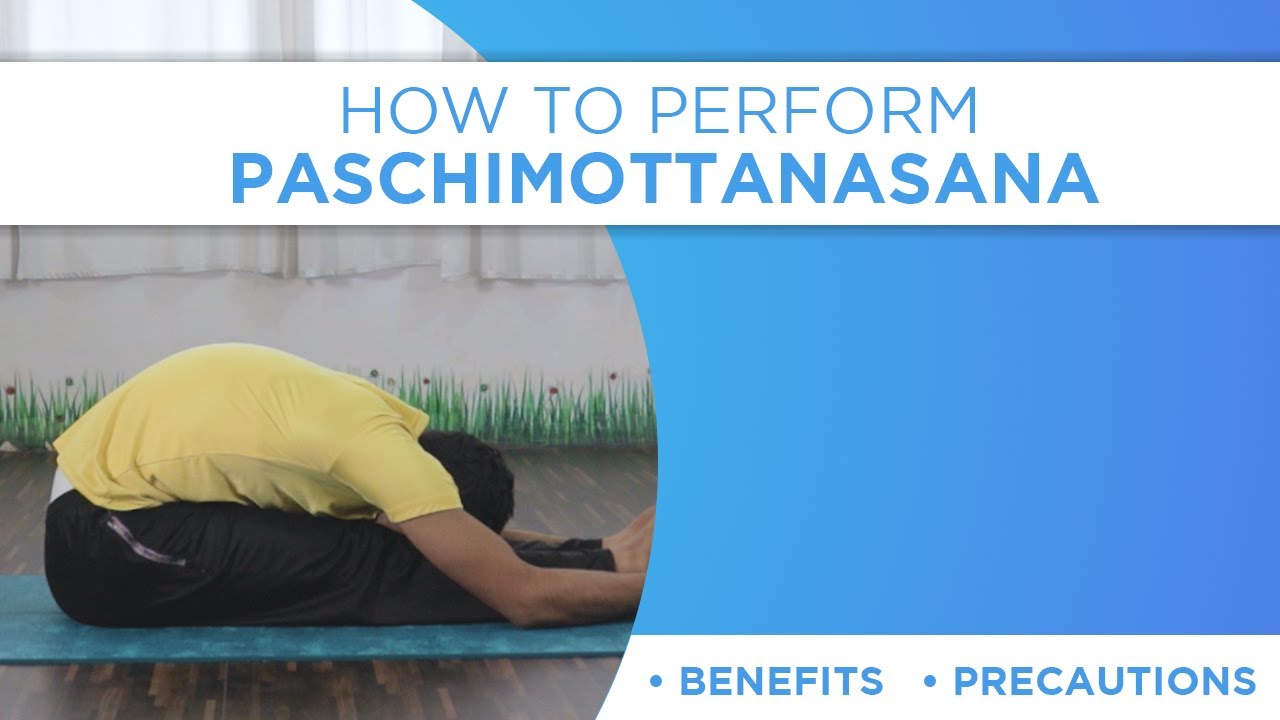
Paschimottasana
Paschimottanasana stretches the posterior chain and quiets the mind. Forward folds are known to calm the nervous system and reduce restlessness.
Diet & Lifestyle to Balance Cortisol
Yoga works best when combined with supportive habits, such as:
- Antioxidant-rich foods (berries, leafy greens)
- Omega-3 fatty acids
- 7–8 hours of sleep
- Hydration
- Avoiding smoking and excessive alcohol
Safety and Contraindications
Yoga should always be practised mindfully. Certain postures may need modification or avoidance depending on individual health conditions.
- Avoid forceful poses during severe hormonal imbalance flare-ups
- Modify postures if experiencing pain or discomfort
- Stop practice if dizziness or discomfort occurs
Always seek medical guidance if symptoms worsen or persist.
When to Consult a Specialist
Seek medical guidance if:
- You are over 35 and trying for more than 6 months
- You have experienced recurrent miscarriages
- You have irregular cycles or diagnosed hormonal disorders
- IVF attempts have been unsuccessful
Yoga should complement professional fertility care not replace it.
Frequently asked Questions
1. Can high cortisol cause weight gain in PCOS
Yes, chronically elevated cortisol can contribute to weight gain in women with PCOS. It may increase blood sugar levels, worsen insulin resistance, and promote abdominal fat storage. While it is not the sole cause, it can amplify existing hormonal imbalances
2. How can I know if cortisol is affecting my weight
Common signs may include stubborn belly fat, strong cravings during stress, fatigue with difficulty sleeping, and weight gain despite consistent efforts. Proper medical testing and consultation are important for accurate assessment
3. Can intense workouts increase cortisol in PCOS
In some women, excessive high intensity workouts may temporarily raise cortisol levels. If the body is already under stress, overtraining can sometimes slow weight loss rather than support it [5]. Balanced and moderate Yoga is more effective here.
4. How does yoga help lower cortisol levels
Yoga activates the parasympathetic nervous system, which helps the body shift out of stress mode. Slow breathing, mindful movement, and restorative postures can support better sleep, improved stress resilience, and hormonal balance over time.
5. Can balancing cortisol help with PCOS weight loss
Supporting cortisol balance may improve insulin sensitivity, reduce emotional eating, and enhance metabolic stability. While it is not a standalone cure, managing stress is an important part of a holistic approach to PCOS weight healing
Disclaimer –This article is meant to support awareness and well-being, not replace medical care. If you have ongoing symptoms or a diagnosed condition, please consult a qualified healthcare professional before starting any new practice