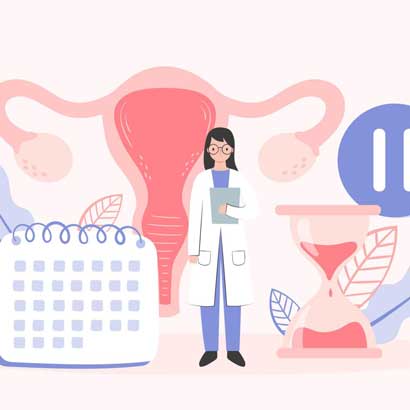
Premenstrual Syndrome PMS can feel overwhelming for many women as body is preparing for Periods. The body feels heavy, the mind becomes sensitive and even simple tasks feel difficult. During this time what most women truly need is comfort healing and a practice that brings balance to both the body and the emotions. This is where yoga during PMS becomes a gentle and effective companion. Yoga supports women’s health by reducing physical discomfort and restoring hormonal balance with steady breathwork and mindful movements.
Understanding PMS and Why Yoga Helps
What is PMS?
Premenstrual Syndrome is a combination of physical and emotional symptoms that many women feel before their periods. Yoga during PMS helps the body release tension and improves circulation which brings quicker PMS relief.
Common PMS Symptoms in Women
Many women experience period pain bloating irritability mood swings, migraine, anxiety lower back pain and fatigue [1] Practicing yoga during PMS helps regulate these symptoms and brings more ease to the menstrual cycle.
Yoga for Premenstrual Syndrome (PMS)
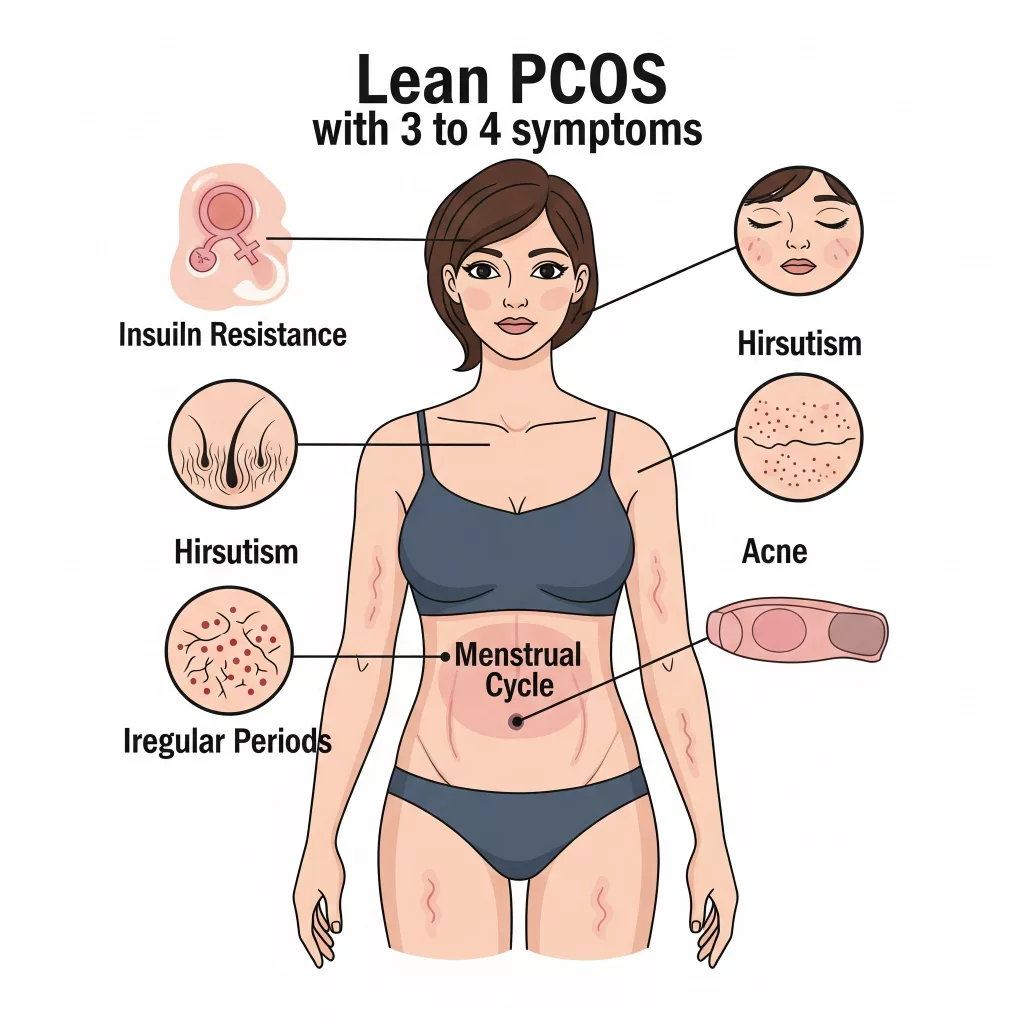
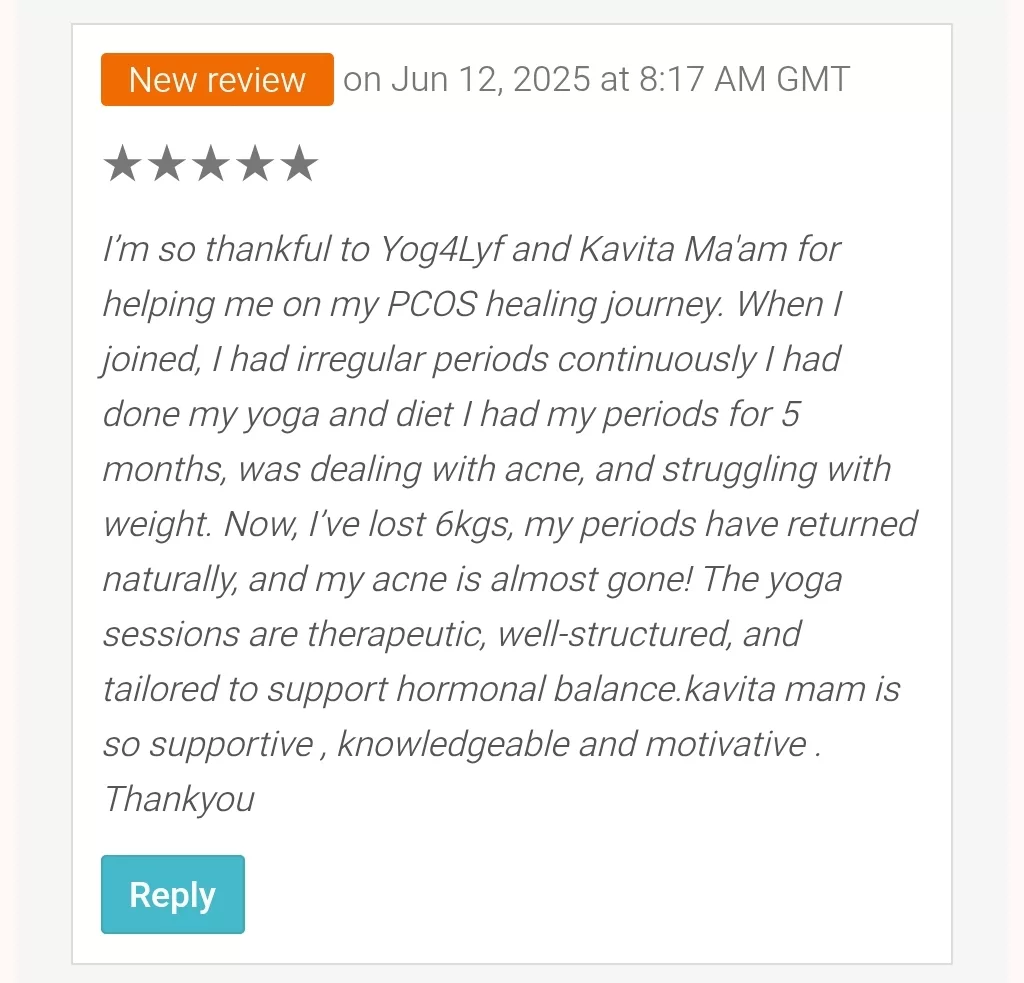
At Yog4Lyf, our yoga courses are created with care, experience, and deep understanding. Led by fertility yoga expert Kavita Arora, the program includes purposeful asanas that have supported thousands facing PMS and PCOS struggles. With 50,000+ satisfied users, this PCOS Course consistent practice has led to numerous positive outcomes.
How Yoga Supports Hormonal Balance Naturally?
Yoga helps calm the nervous system and improves blood flow to reproductive organs. This promotes hormonal balance and makes PMS symptoms less intense over time. When the breath slows down the mind becomes steadier which naturally reduces the emotional highs and lows of PMS.
Why Yoga is Better Than Heavy Workouts During PMS?
Heavy workouts can increase internal heat and stress. Practicing yoga during PMS is gentle and nurturing which is what the body truly needs. Yoga keeps the energy grounded and supports natural PMS relief without exhausting the system.
Benefits of Yoga During PMS for Women’s Health
Reduces Period Pain and Cramps
Yoga for period pain relaxes the lower abdomen and increases circulation. This eases cramps and heaviness during the premenstrual phase.
Relieves PMS Mood Swings and Irritability
PMS often brings emotional sensitivity. Steady breathing and calming poses in yoga during PMS create a sense of emotional grounding. This becomes a powerful tool for PMS relief.
Supports Better Blood Flow to Pelvic Region
Gentle stretching helps release stiffness around the hips and pelvis. This supports hormonal balance and reduces PMS symptoms naturally.
Eases Bloating and Water Retention
Certain asanas help move trapped gases and support digestion. This relieves bloating which is one of the most common PMS discomforts [2]
Improves Sleep and Calms the Nervous System
Yoga during PMS prepares the body for better sleep by relaxing the muscles and slowing the mind.
Helps in Emotional Stability and Stress Relief
Many women feel emotionally drained during PMS. Yoga creates a sense of inner safety and stability which supports women’s health in a deeper way.
Top Yoga asanas for PMS
At Yog4Lyf, yoga asanas are structured after years of testing by certified trainers, with a clear focus on concerns like PMS & PCOS. The programs follow a holistic approach that combines yoga asanas and diet support to encourage long-term wellness rather than temporary fixes. Many users who committed to regular practice have seen positive outcomes over time.
Below are a group of Yoga asanas that works in a combined way to support healing of Pre Menstrual Syndrome :-
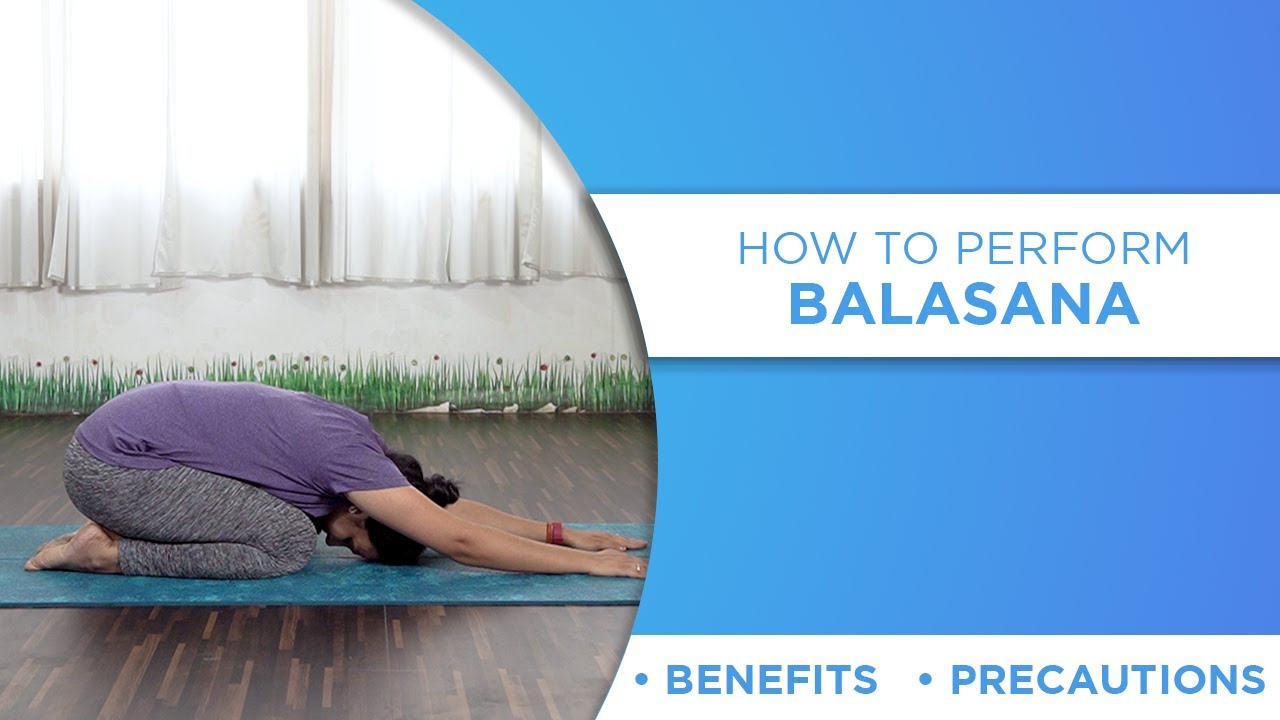
Balasana Child Pose for PMS Relief
This pose calms the mind and releases tension from the lower back. It is one of the safest poses in yoga during PMS.
Baddha Konasana Bound Angle Pose for Period Pain
This pose improves pelvic circulation and reduces period pain. It is ideal for women looking for natural PMS relief.

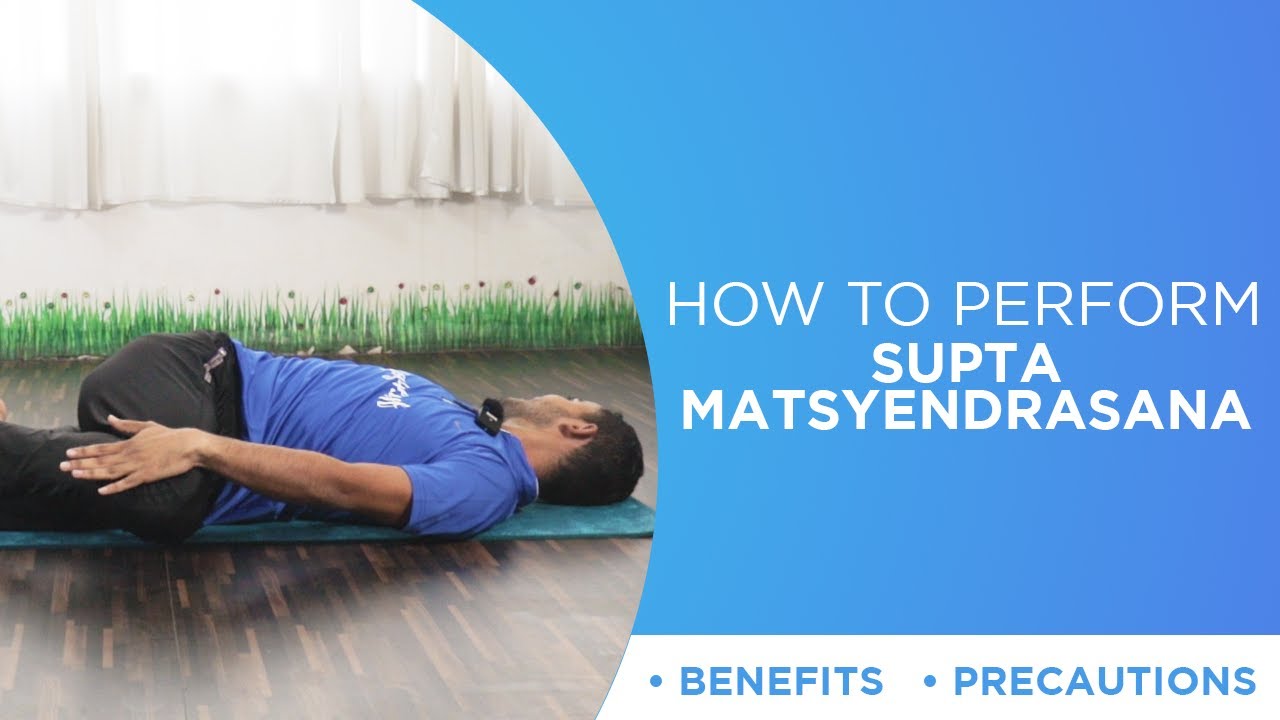
Supta Matsyendrasana Spine Twist for PMS Cramps
The gentle twist supports digestion and reduces PMS cramps.
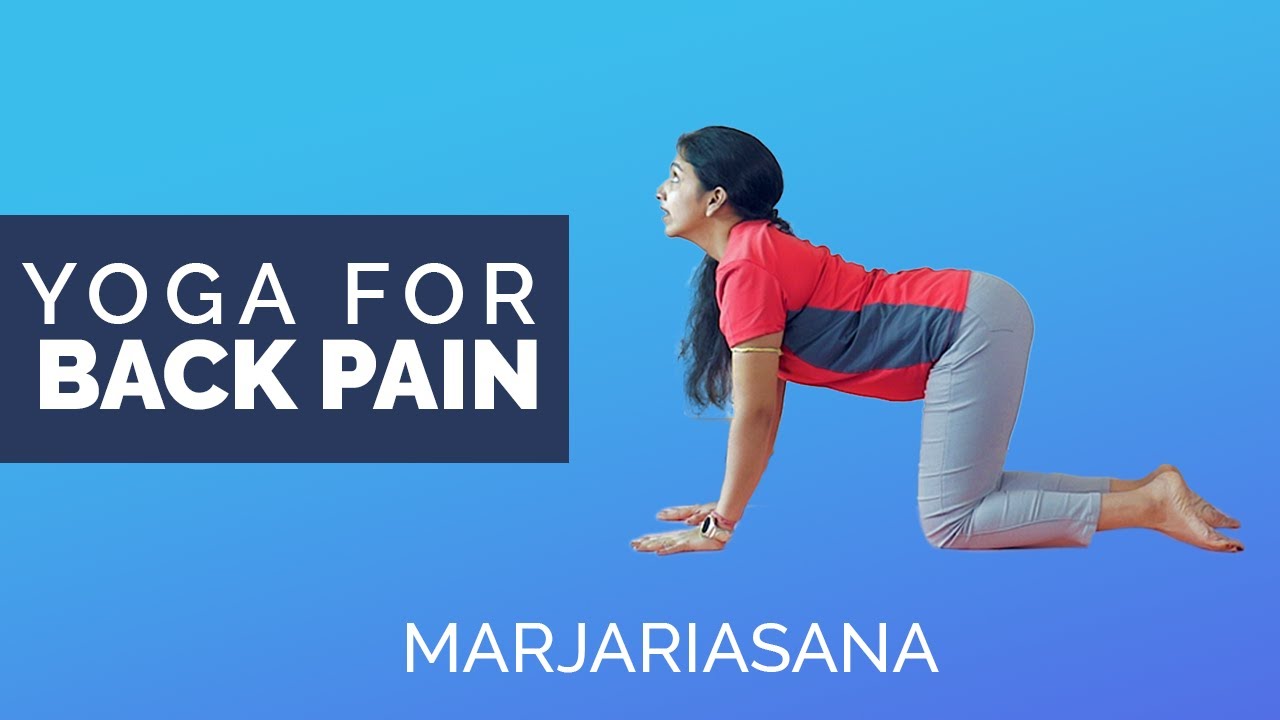
Marjariasana Cat Cow Pose for Lower Back Pain
Cat cow ensures mobility in the spine and reduces stiffness associated with PMS symptoms.
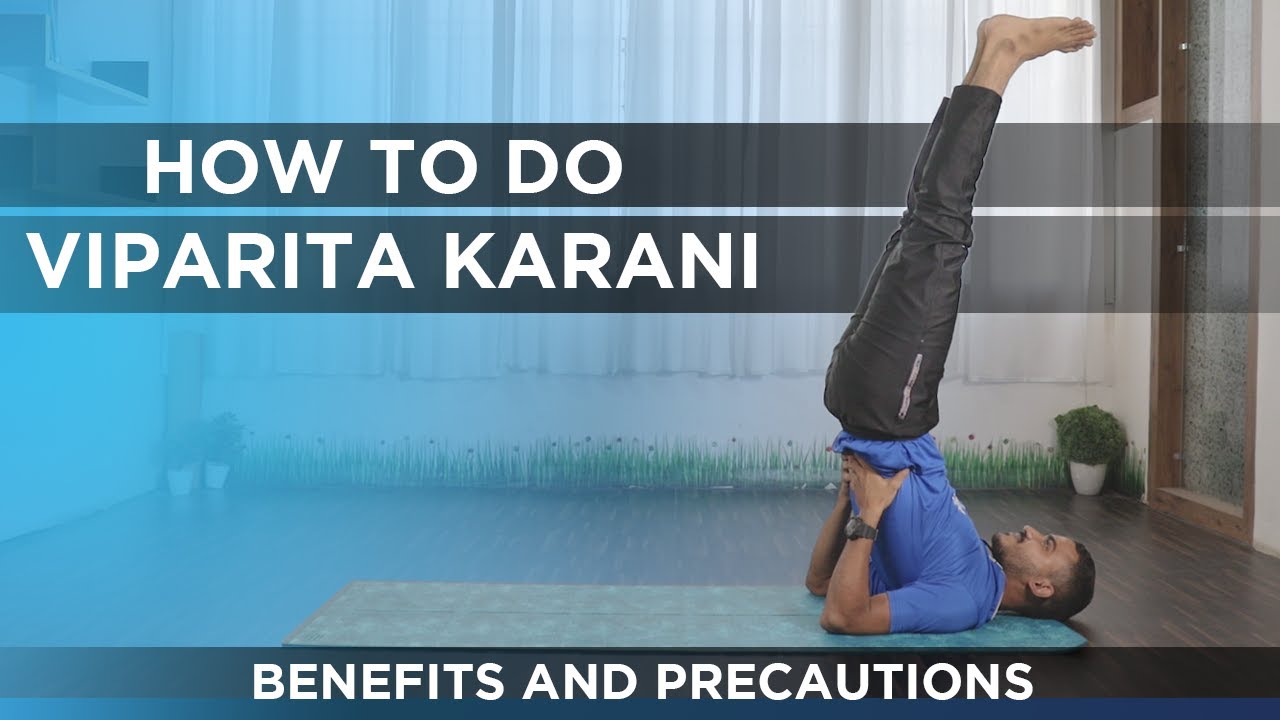
Viparita Karani Legs Up the Wall for Hormonal Balance
This restorative posture supports hormonal balance and calms fatigue during PMS.
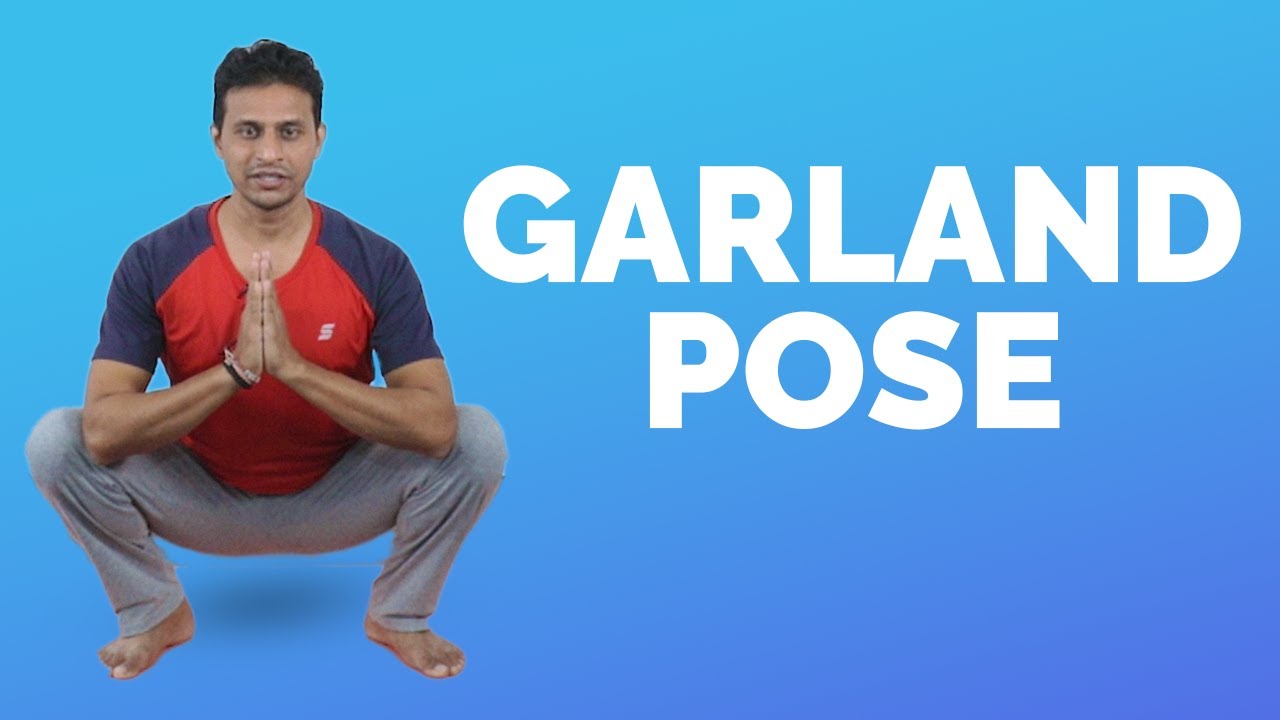
Malasana Yoga Squat for Pelvic Relaxation
Malasana opens the hips and improves pelvic blood flow which is very helpful for PMS relief.
Pranayama for PMS and Hormonal Balance
Sheetali Pranayama for Cooling Period Heat
This pranayama cools the body and mind. It helps ease irritation and supports PMS relief.

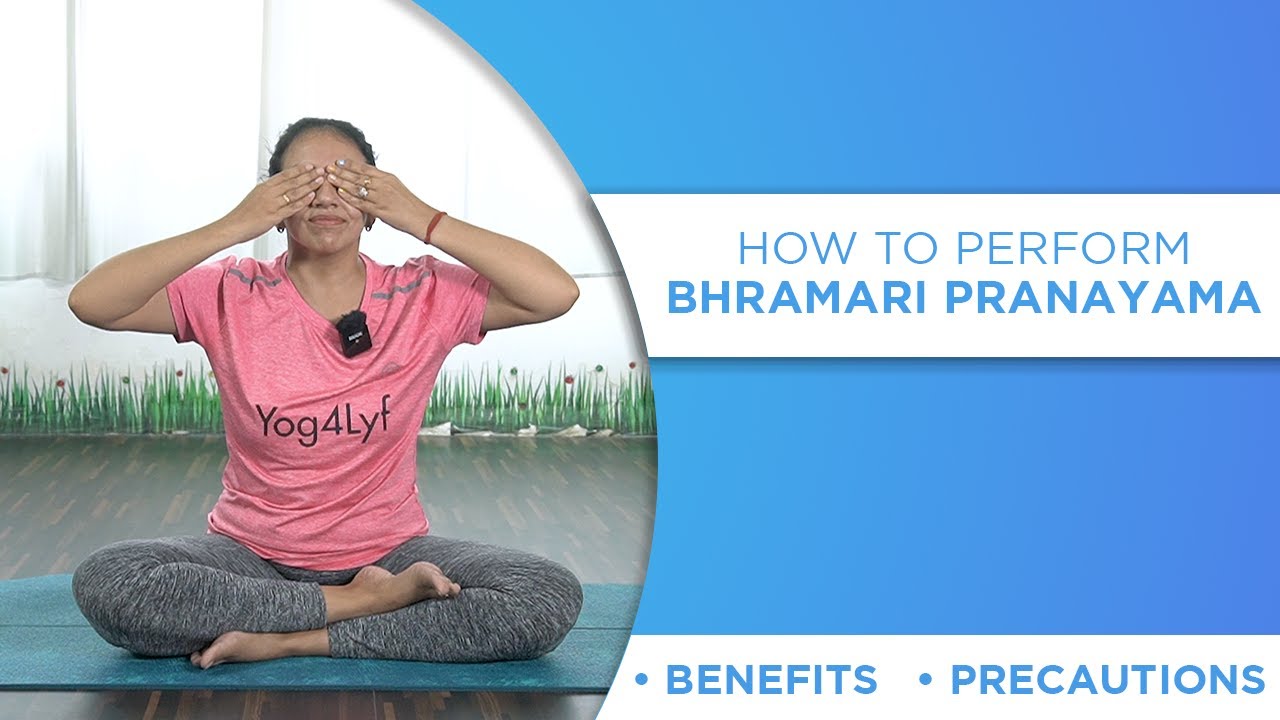
Bhramari Pranayama for PMS Anxiety and Irritation
The humming sound in bhramari reduces anxiety and emotional overwhelm which many women feel during PMS.
Anulom Vilom to Calm Hormones and Improve Mood
This gentle alternate nostril breathing supports hormonal balance and creates emotional stability.

Lifestyle and Diet Tips Along With Yoga
Anti Inflammatory Foods for PMS
Including fruits vegetables nuts seeds and warm herbal teas reduces inflammation and supports PMS relief.
Hydration Tips to Reduce Bloating
Drinking enough water eases bloating and supports digestion which is helpful when practicing yoga during PMS.
Rest and Sleep for Better PMS Management
The body heals faster with proper rest. A calm sleep routine supports hormonal balance and reduces PMS symptoms.
Saftey and Contraindications
Yoga should always be practised mindfully. Certain postures may need modification or avoidance depending on individual health conditions.
- Avoid forceful poses during severe hormonal imbalance flare-ups
- Modify postures if experiencing pain or discomfort
- Stop practice if dizziness or discomfort occurs
Always seek medical guidance if symptoms worsen or persist.
A Yog4Lyf’s Holistic Approach via :- Yog4Lyf App
In our app you will get
Live Classes: Morning and evening sessions for all fitness levels.
Diet Plans: Nutrition guides to complement yoga practice.
Community Support: Forums to share experiences and victories.
Frequently asked Questions
What causes PMS?
PMS (Premenstrual Syndrome) refers to a group of physical, emotional, and behavioral symptoms that occur before menstruation. According to the American College of Obstetricians and Gynecologists [3] symptoms usually appear 5–10 days before periods and improve once menstruation begins.
How a Consistent Yoga Practice Reduces PMS Over Time
With regular practice yoga during PMS becomes a long term solution. It helps the body respond better to hormonal changes and reduces PMS symptoms gently and naturally.
Why Every Woman Should Try Yoga for PMS Relief
Yoga offers physical ease emotional safety and natural healing. It supports women’s health in a wholesome way and helps every woman feel more in control during PMS.
Does stress worsen PMS?
Yes, high stress levels can intensify PMS symptoms by increasing cortisol levels, which may disrupt hormonal balance. Relaxation techniques like meditation and deep breathing are beneficial
When should someone see a doctor for PMS?
If PMS symptoms interfere with daily life, work, or relationships, or if emotional symptoms are severe (possible PMDD), medical consultation is important. The Mayo Clinic recommends evaluation if lifestyle changes do not improve symptoms [4]
Disclaimer –This article is meant to support awareness and well-being, not replace medical care. If you have ongoing symptoms or a diagnosed condition, please consult a qualified healthcare professional before starting any new practice