A cesarean delivery brings a beautiful new beginning, but it also places the body through major surgery. After a C section, muscles, ligaments, hormones, and internal organs need adequate time to heal. Many new mothers feel pressured to lose weight quickly, yet the body requires patience and mindful recovery. Practicing yoga after C section offers a safe, healing approach to weight loss that respects the body’s natural pace and postpartum needs.
When Can You Start Yoga After C Section?
The timeline for starting yoga after C section depends on how well the incision heals, muscle strength returns, and your doctor’s approval. Recovery of the pelvic floor muscles (levator ani and associated connective tissue) is thought to be maximized by four to six months postnatal, although unrestricted clearance to activity is typically obtained well before this point as stated in National Library of Medicine [1]. Weight loss yoga should never begin before the body is ready, as early strain can delay recovery and create long term issues. Usually 4 months are enough to wait after C section and Uterus to shrink back to its normal position for initiating weightloss yoga.
First 6 Weeks After C Section: Healing Comes First
The first six weeks after a C section are crucial for internal and external healing. The uterus is shrinking back to its normal size, abdominal muscles are still weak, and the incision site is sensitive. During this period, the body needs rest more than activity.
Yoga after C section during this phase should be limited to relaxation and awareness. Weight loss focused yoga or exercise should be completely avoided. Gentle breathing and proper posture while sitting or feeding the baby are enough to support recovery.
4 Months After C Section: Gentle Yoga Can Begin
Once the doctor confirms that healing is progressing well, gentle yoga after C section can be introduced. This stage is about reconnecting with the body, not burning calories or shaping muscles.
Light movements improve blood circulation, reduce stiffness, and awaken weak muscles slowly. Weight loss may not be visible yet, but internally the body begins restoring metabolism and hormonal balance, which is essential for healthy postpartum weight loss.
Yoga after C Section Delivery
Each course at Yog4Lyf is carefully structured by experienced, certified yoga teachers who bring over five years of hands-on expertise. Under founder & fertility expert Kavita Arora’s compassionate guidance, these asanas have helped many people heal after C- Section Delivery and fertility weight loss challenges. More than 50,000 users have practiced this weightloss program and experienced positive transformations with dedication.
Gentle Yoga Asanas After C Section for Post Delivery Healing
Yoga asanas at Yog4Lyf are carefully framed after years of experience and refinement by certified trainers, focusing on healing from the root cause of issues like Postpartum weightloss . Through a holistic combination of movement, breathwork, and dietary awareness, we help nurture the body toward sustainable health. Let us now have a look at the yoga asanas that help heal Postpartum Body –
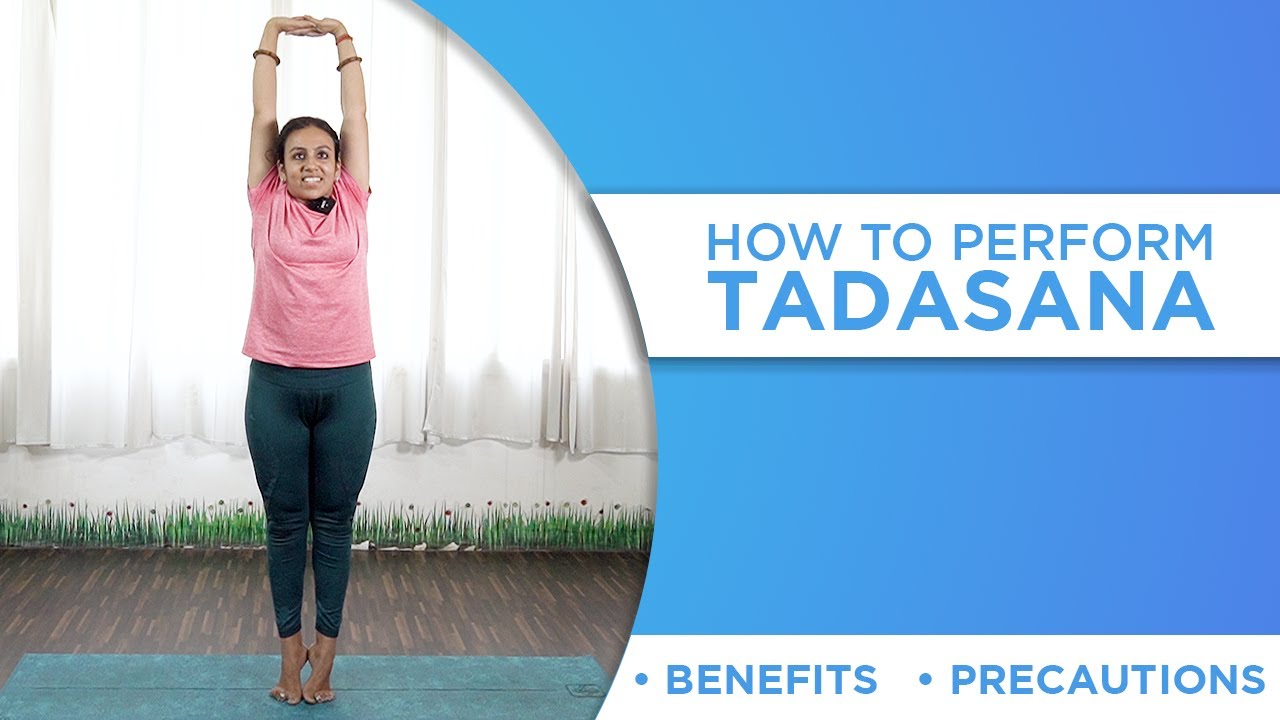
1. Tadasana (Mountain Pose)
Tadasana improves posture, strengthens leg muscles, and enhances blood circulation. After C section, it helps realign the spine and gently activates the core without pressure on the abdomen.
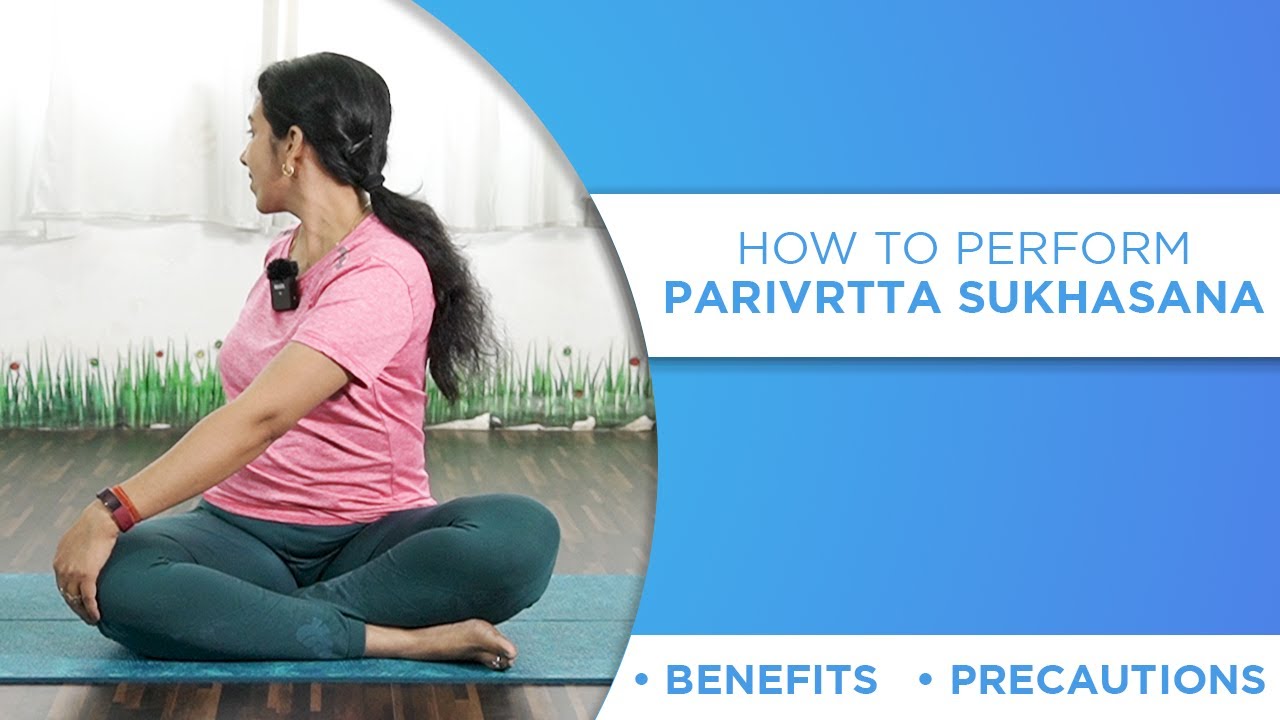
2. Sukhasana (Comfortable Sitting Pose)
Sukhasana encourages relaxation and grounding. Practicing deep breathing in this posture helps calm the mind, regulate hormones, and reduce emotional stress related to postpartum changes.
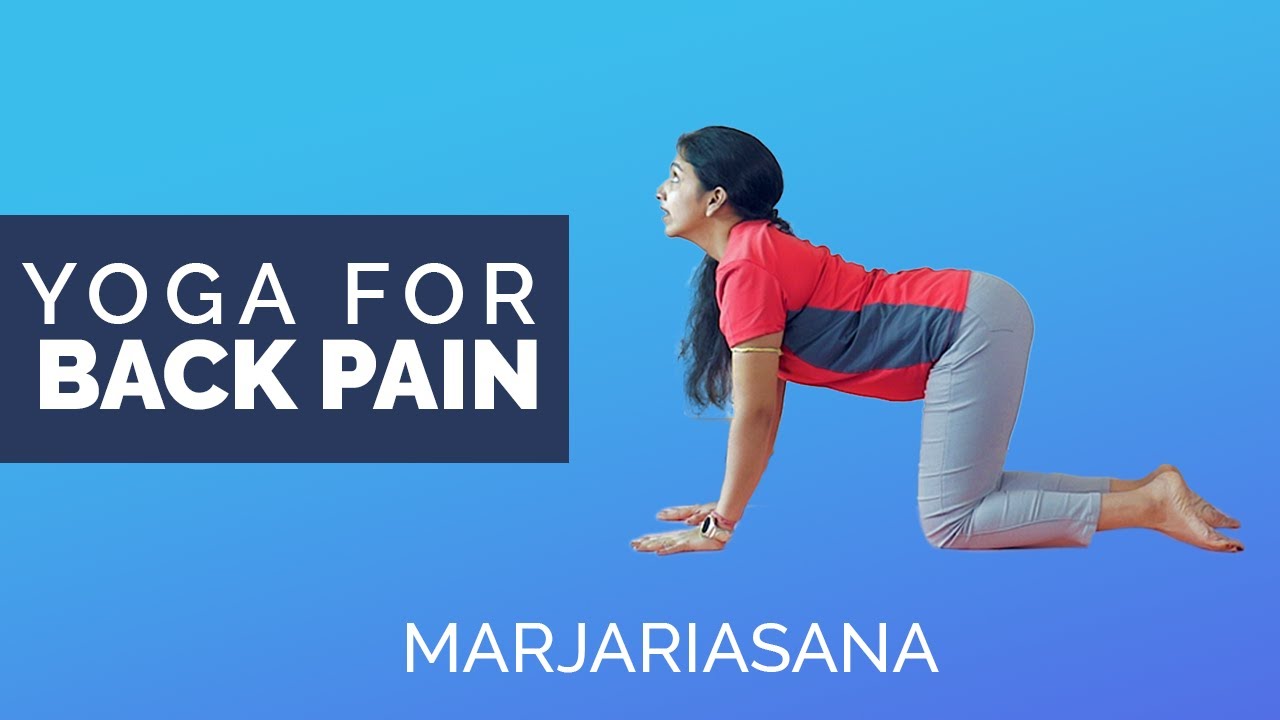
3. Marjariasana and Bitilasana (Cat Cow Stretch)
This gentle spinal movement improves flexibility and relieves back stiffness caused by feeding and carrying the baby. It also supports pelvic mobility and encourages gentle core engagement.
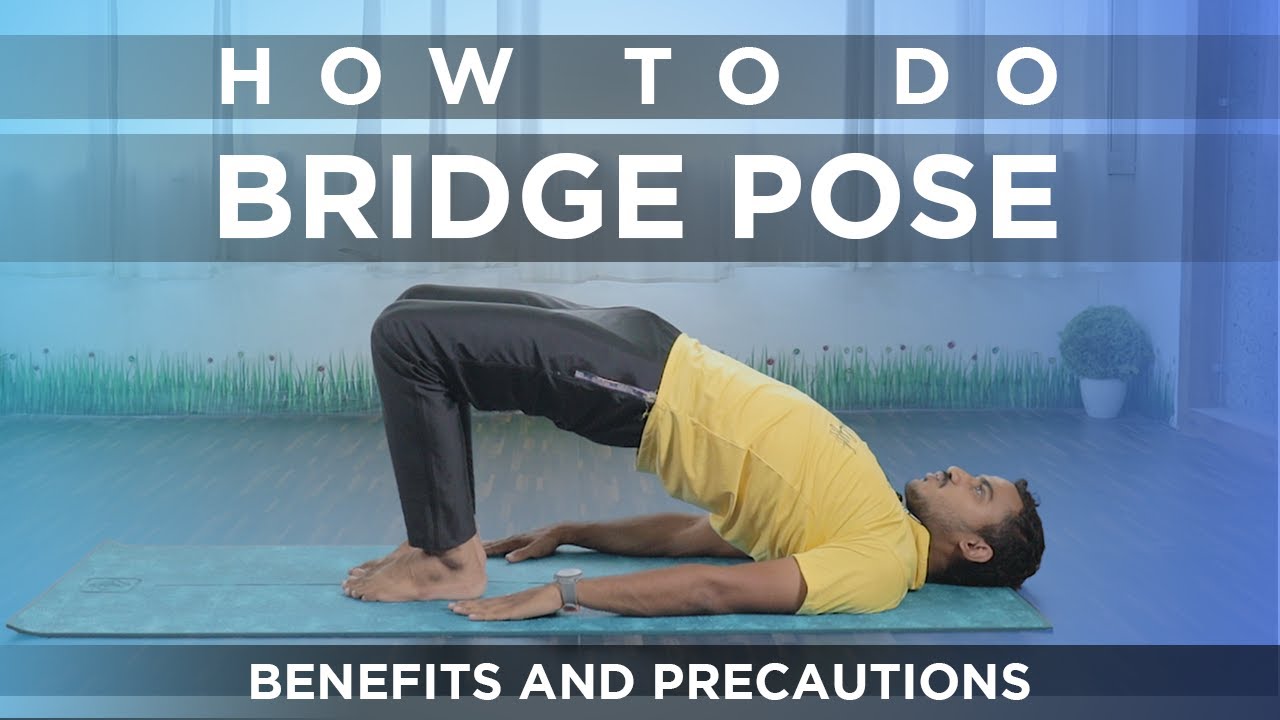
4. Setu Bandhasana (Bridge Pose with Support)
With proper support under the hips, this pose strengthens the lower back and glutes while gently engaging abdominal muscles. It should be done slowly and only if there is no discomfort at the incision site.
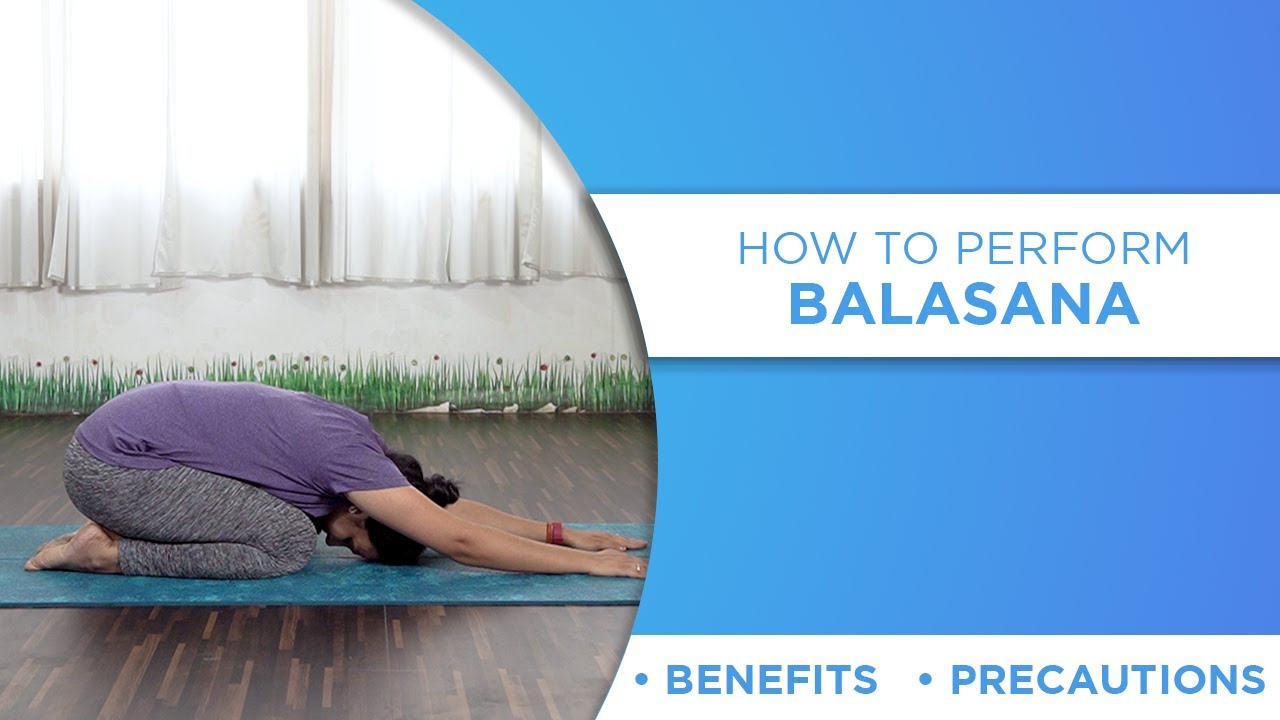
5. Balasana (Child’s Pose)
Balasana deeply relaxes the body and relieves fatigue. It gently stretches the spine and hips while calming the nervous system, making it ideal for post delivery yoga after a C section.
Breathing Practices in Yoga After C Section
Breathing practices form the foundation of yoga after C section. Deep, mindful breathing improves oxygen supply to healing tissues and gently activates the core muscles without physical strain.
Simple pranayama techniques calm the nervous system, reduce anxiety, and improve sleep quality. When stress levels reduce, the body becomes more receptive to weight loss and faster recovery.
Anulom Vilom Pranayama
Balances hormones, improves oxygen supply, and calms the nervous system, supporting overall reproductive and metabolic health.

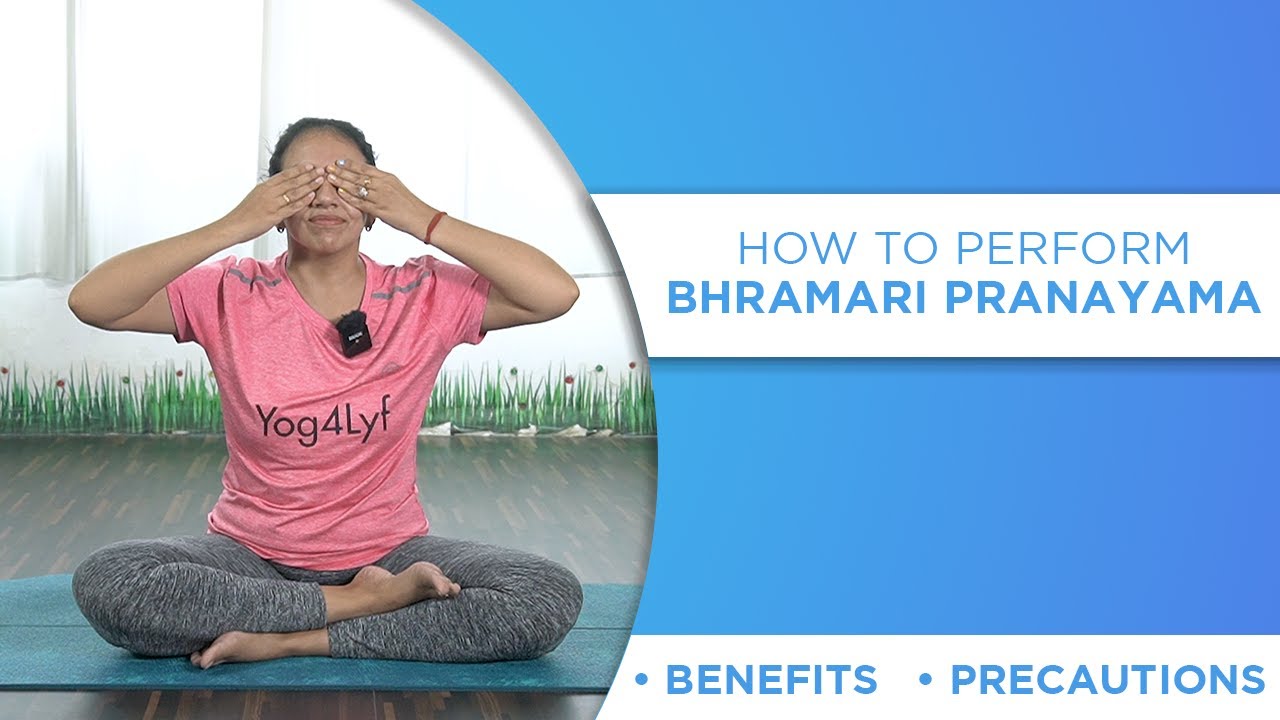
Bhramari Pranayama
Reduces stress hormones, relaxes the mind, and improves blood circulation, helping the body heal naturally.
Why Yoga After C Section Is Better Than Heavy Exercise for Weight Loss
After a C section, the abdominal wall and pelvic floor are vulnerable. High intensity workouts, jumping exercises, or heavy gym routines can put pressure on healing tissues and worsen issues like back pain or pelvic weakness.
Yoga after C section works gently from within. It strengthens deep muscles, supports digestion, and calms the nervous system. This approach encourages natural fat loss while preventing injuries and supporting long term physical and emotional health.
How Yoga After C Section Supports Natural Weight Loss
Postpartum weight gain is not just about fat accumulation. Hormonal fluctuations, lack of sleep, stress, and emotional changes all contribute. Yoga addresses these root causes instead of forcing the body to lose weight.
By practicing yoga after C section delivery regularly, cortisol levels reduce, insulin sensitivity improves, and digestion becomes stronger. Over time, the body starts releasing excess weight naturally without exhaustion or strain. [2]
Why Yoga After C Section Is Better Than Heavy Exercise for Weight Loss
After a C section, the abdominal wall and pelvic floor are vulnerable. High intensity workouts, jumping exercises, or heavy gym routines can put pressure on healing tissues and worsen issues like back pain or pelvic weakness.
Yoga after C section works gently from within. It strengthens deep muscles, supports digestion, and calms the nervous system. This approach encourages natural fat loss while preventing injuries and supporting long term physical and emotional health.
How Yoga After C Section Supports Natural Weight Loss
Postpartum weight gain is not just about fat accumulation. Hormonal fluctuations, lack of sleep, stress, and emotional changes all contribute. Yoga addresses these root causes instead of forcing the body to lose weight.
By practicing yoga after C section regularly, cortisol levels reduce, insulin sensitivity improves, and digestion becomes stronger. Over time, the body starts releasing excess weight naturally without exhaustion or strain.
What to Avoid During Yoga After C Section
Medical and postpartum recovery sources caution against twisting postures or deep core exercises immediately after surgery because these movements can place excessive force on the healing scar and abdominal wall states women health domain [3]
Even after healing, certain movements should be avoided or delayed. Sudden twists, crunches, and high pressure core exercises can strain the abdominal muscles and pelvic floor.
Listening to body signals is essential in yoga after C section. Any pain, pulling sensation, or discomfort around the incision is a sign to stop immediately and rest.
Long Term Benefits of Yoga After C Section for Weight Loss
Yoga after C section does more than help with weight loss. It rebuilds strength from within, restores confidence, and creates emotional balance during motherhood.
With consistent practice, mothers experience improved energy levels, better sleep, stronger muscles, and a positive body image. Weight loss becomes a natural outcome of overall healing rather than a forced goal.
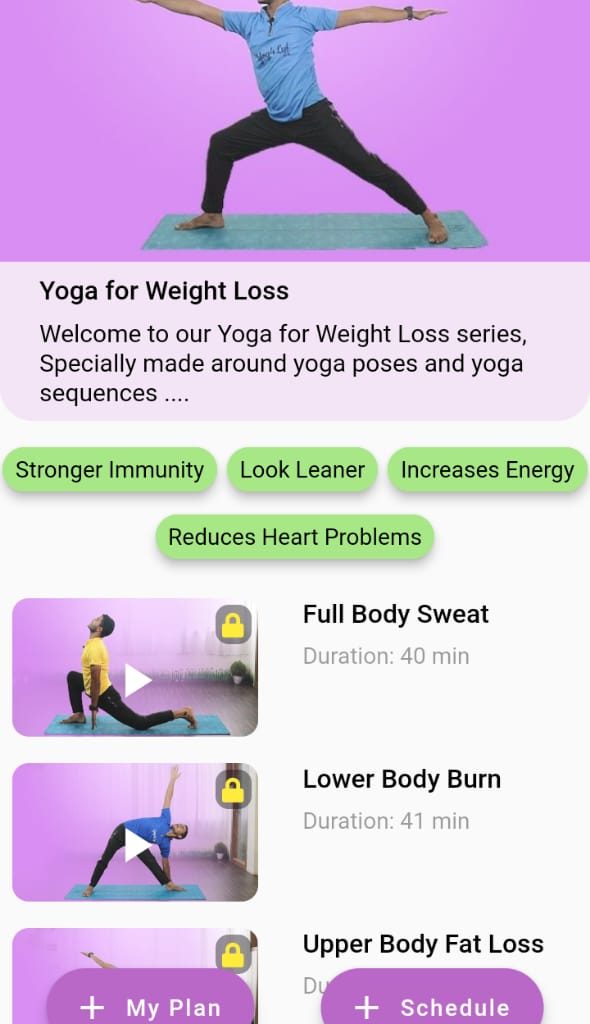
A Yog4Lyf’s Holistic Approach via :- Yog4Lyf App
In our app you will get
Live Classes: Morning and evening sessions for all fitness levels.
Diet Plans: Nutrition guides to complement yoga practice.
Community Support: Forums to share experiences and victories.
Frequently asked Questions
1.Is yoga safe after a C-section?
Yes, gentle and guided yoga is generally safe once your incision has healed. Start with mild breathing exercises and slow stretches before moving to core-focused practices. A clinical review concludes that yoga is a form of moderate intensity exercise that can be adapted and practiced safely in the postpartum period to support physical and mental health, including abdominal strengthening and recovery. [4]
2.What precautions should I take while doing yoga after a C-section?
Avoid high-impact movements, deep twists, and intense abdominal pressure initially. Stop immediately if you feel pain near the incision site
3.Does yoga help tighten loose abdominal muscles after surgery?
Yes. Specific postnatal yoga poses and breathing techniques help activate deep core muscles and may support recovery from mild diastasis recti over time.
4.Can yoga completely restore my pre pregnancy body?
Yoga supports healing, strength, and confidence but every postpartum body is different. Focus on recovery and strength rather than rushing weight loss. Sustainable healing brings better long-term results.
5.How often should I practice yoga for post C-section weight loss?
Practicing 20–30 minutes, 4–5 times a week can show gradual improvement. Consistency is more important than intensity during postpartum recovery.
Final Thoughts on Yoga After C Section
Weight loss after a C section is not a race. The body deserves respect for the life it has created and the surgery it has healed from. Yoga after C section offers a compassionate, effective, and sustainable path toward recovery and healthy weight loss.
Move gently. Breathe deeply. Trust your body’s wisdom. Healing always comes before weight loss.
Disclaimer –This article is meant to support awareness and well-being, not replace medical care. If you have ongoing symptoms or a diagnosed condition, please consult a qualified healthcare professional before starting any new practice